What to see on night game drive in Murchison Falls
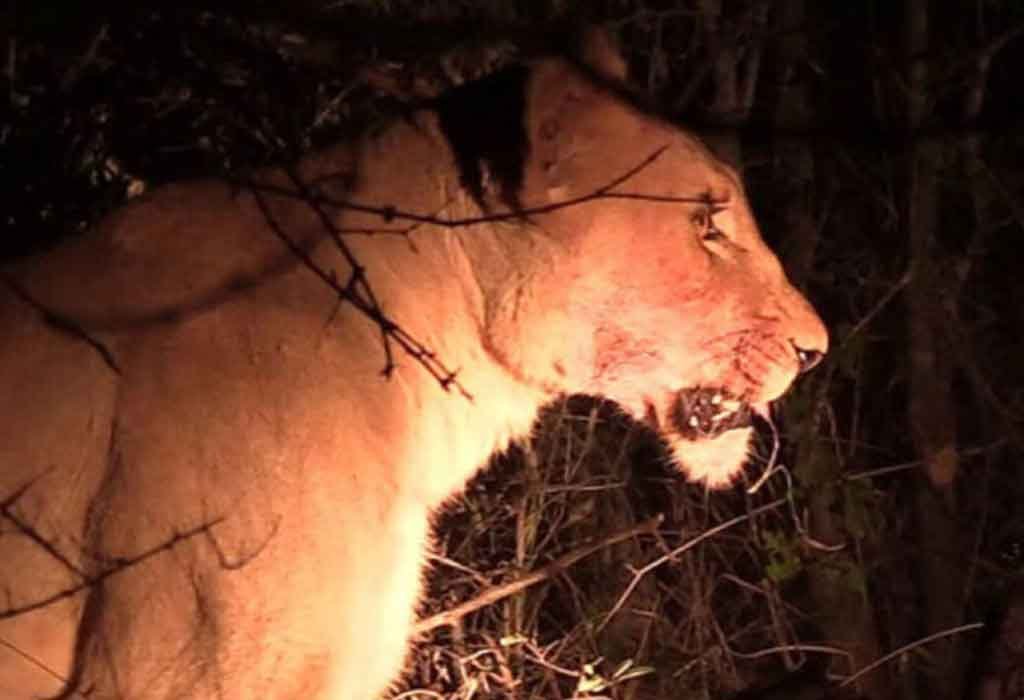
What to see on night game drive in Murchison Falls. On a night game drive in Murchison Falls, you can see leopards on the prowl, hyenas on patrol, hippos grazing far from the river, and tiny bush babies leaping through the trees. As darkness falls, the familiar savannah becomes a very different place, and a sweeping spotlight reveals animals that most daytime visitors never meet.
Murchison Falls National Park is the largest national park in Uganda, covering about 3,840 square kilometres on both sides of the Victoria Nile. It is home to more than 76 mammal species and around 450 bird species, and many of its most fascinating residents only become active after sunset.
This guide explains what to look for, how the experience works, what it costs and how to fit it into your safari. When you are ready to plan, the team at Frena Adventures can arrange it as part of a tailor-made trip.
Why Take a Night Game Drive in Murchison Falls?
A night drive shows you the half of the park’s wildlife story that you would otherwise miss. By day, many predators sleep in the shade. After dark, they begin to hunt, and shy creatures emerge when they feel safe from the heat and from daytime hunters.
There are several good reasons to add one to your trip:
- New species: You have a chance of seeing animals that are rarely visible during the day.
- Natural behaviour: You may witness hunting, feeding and territorial activity that happens mainly at night.
- A sense of adventure: Sounds seem louder, scents seem stronger and every pair of glowing eyes raises a question.
- Fewer vehicles: Night drives feel more private than the busy morning hours on popular tracks.
- Cooler air: The temperature falls after sunset, which makes for a comfortable outing.
- Spectacular skies: Away from city lights, the stars over the savannah can be breathtaking.
For more on the park as a whole, see our Murchison Falls National Park guide.
What to See on a Night Game Drive in Murchison Falls
The most likely sightings are hippos, hyenas, antelopes, bush babies and nightjars, with leopards and lions as the exciting possibilities. No night drive follows a script, so this table gives you a realistic idea of what you may find.
| Animal | Where to look | Chance of seeing |
|---|---|---|
| Hippo | Grassland near the Nile | High |
| Antelopes such as Uganda kob | Open plains | High |
| Bush baby | Trees and thickets | Moderate |
| Spotted hyena | Plains and track edges | Moderate |
| Nightjars and owls | Tracks and woodland edges | Moderate |
| Lion | Open plains, often resting or on the move | Moderate |
| Genet and civet | Woodland and thickets | Moderate |
| Leopard | Riverine woodland and thickets | Low |
| Porcupine and honey badger | Grassland and scrub | Low |
| Aardvark | Open grassland | Very low |
Leopards: The Night Drive Prize
The leopard is the animal most visitors hope to see. These solitary cats do much of their hunting after dark, and they rely on stealth and surprise rather than speed. During the day, they can be frustratingly difficult to find.
A spotlight can pick out a leopard’s eyes in the grass, or reveal it moving quietly along the edge of a thicket. Your best chance comes in areas with woodland cover and plenty of prey. Sightings are never guaranteed, but seeing one in the beam of a spotlight is a moment that few travellers forget.
Lions and Hyenas After Dark
Lions often spend the daytime sleeping, and the cooler night hours are when they become much more active. On a lucky night, you may see a pride walking along the track or eyeing a herd of kob. You are also likely to hear them, and a lion’s roar sounds very different when you are out in the dark.
Spotted hyenas are among the most reliable night sightings. They are powerful hunters as well as scavengers, and they often move in loose groups. Listen for their rising whoops, which can carry a long way across the savannah.
Smaller carnivores can be just as interesting. Keep watch for side-striped jackals trotting through the grass, white-tailed mongooses hunting insects, and the rarer serval, a slender, long-legged cat of the grasslands.
Hippos Out of the Water
Hippos are a classic Murchison sight, and the night drive shows you a side of them that the daytime boat cruise cannot. They spend the hot hours in the Nile, then leave the water at dusk to graze on land, sometimes walking several kilometres.
Seeing a huge hippo cropping grass in a spotlight beam gives you a real sense of its size. Give them plenty of space, because they can be dangerous if they feel that their route back to the water is blocked. Your ranger and driver will manage the distance for you.
Small Mammals of the Night
The smaller animals often turn out to be the stars of the drive. These species are well worth watching for:
- Bush babies: These tiny primates have enormous eyes, and they leap between branches with astonishing speed.
- Genets: Slender, spotted hunters that look a little like cats and move with great agility.
- Civets: Stocky, boldly marked animals that forage on the ground for fruit, insects and small prey.
- Porcupines: Africa’s largest rodents, which rattle their quills if they feel threatened.
- Honey badgers: Small, famously fearless animals that are always exciting to find.
- Aardvarks: Shy termite eaters and one of the hardest animals to see in all of East Africa.
Grazers and Browsers at Night
The familiar animals of the day behave differently after dark. Herds of Uganda kob and hartebeest often stay alert in open areas, where they can spot approaching predators. Many eyes may shine back at you as the spotlight passes over them.
You may also find Rothschild’s giraffes standing quietly in the darkness, buffalo resting in groups, or elephants moving through the bush. A press trial reported by Uganda’s Daily Monitor at the launch of the park’s night drives recorded elephants and antelopes among its sightings. Bushbuck and duikers may step out from thicker cover too.
If you would like to see these animals in full daylight too, a morning drive makes the perfect partner. Our Big Five safaris and Uganda wildlife safaris explain how to combine different drives in one trip.
Night Birds of Murchison Falls
Birders should not overlook a night drive, because it offers the chance to find species that are hard to see by day. Look and listen for these birds:
- Nightjars: Sit-and-wait hunters that often rest on the track, with eyes that shine in the spotlight.
- Owls: Species such as Verreaux’s eagle-owl may hunt from trees along the route.
- Thick-knees: Large-eyed, ground-dwelling birds with a distinctive call.
For a dedicated birding trip, see our 4 Days Bird Watching Safari to Murchison Falls or our guide to Uganda birding safaris.
Reptiles, Insects and Night Sounds
The smaller details complete the experience. Reptiles such as snakes and crocodiles may appear near water or on warm tracks. A spotlight can also reveal the reflective eyes of spiders and other small creatures.
Then there is the sound. Crickets, frogs, hyenas and distant hippos combine into a soundtrack that you simply do not hear during the day. Ask your driver to stop and switch off the engine for a moment, if your ranger agrees. A few quiet minutes in the African night may be your favourite memory of the whole trip.
Why Are So Many Animals Active at Night?
The savannah can be a hot and dangerous place during the day, so many species have evolved to do their most important work after dark. Lower temperatures allow animals to save water and energy, which matters greatly in a warm climate.
Darkness also offers cover. Small mammals can feed with less risk from eagles and other daytime hunters, while predators with excellent night vision gain an advantage over their prey. Many night animals have a reflective layer at the back of the eye, known as the tapetum lucidum. It helps them make better use of low light, and it is also what makes their eyes shine back at the spotlight.
Some animals, including hippos, simply use the night for feeding before returning to their daytime refuge. Others are most active at dawn and dusk. That is why the first part of a night drive can be so productive, as the day shift and night shift of the savannah begin to overlap.
How a Night Game Drive Works
A Murchison night drive is a guided activity led by an armed Uganda Wildlife Authority ranger, with a spotlight used to find animals in the dark. You cannot simply head out on your own, because the park regulates night activity to protect both visitors and wildlife.
Here is what usually happens:
- Book ahead: Your tour operator or lodge arranges the drive and your ranger with the park.
- Have an early dinner: Most drives begin after sunset, so you may need to eat a little earlier than usual.
- Meet your ranger: You receive a short briefing on safety and on how the spotlight is used.
- Scan the darkness: The spotter sweeps the beam slowly across the grass and trees, looking for the shine of eyes.
- Stop at sightings: Your driver pauses so that you can watch, while the ranger explains what you are seeing.
- Return to your lodge: Drives generally last around two hours, leaving you time to rest before your next activity.
Identifying eye-shine is a real skill. Colour, height and movement all offer clues to the animal behind the glow, and listening to your ranger work this out is part of the fun.
Where Do Night Drives Take Place in the Park?
Most night drives take place in the northern sector of the park, north of the Victoria Nile. This area is dominated by open savannah grassland, which gives you clearer views when animals are caught in the spotlight.
The tracks of the Buligi area, between the Victoria Nile and the Albert Nile, are among the park’s best for wildlife during the day. Your exact route depends on recent sightings, current track conditions and your starting point. Night drives may also stay relatively close to the lodges, so that your drive time is spent looking for wildlife rather than getting to the starting point.
What Time Do Night Game Drives Start?
Most night drives begin between about 7:00 pm and 8:00 pm and last roughly two hours. Starting times vary by arrangement, so confirm yours in advance.
The Nile crossing can affect your plans. The Paraa ferry links the south and north banks and runs to a limited timetable, so staying on the north bank is usually the simplest choice for a night drive. If your lodge is on the south bank, ask us to check the best way to arrange your outing.
How Much Does a Night Game Drive in Murchison Cost?
The night drive itself is one of the more affordable safari extras. The figures below are published rates for foreign non-residents, and they should be confirmed before you travel, as Uganda Wildlife Authority fees can change.
| Fee | Approximate cost (USD) |
|---|---|
| Night game drive in a private vehicle, per person | $30 |
| Night game drive in a park vehicle, per person | $40 |
| Park entrance, per person per 24 hours | $45 |
Lower rates apply to foreign residents and East African citizens. Vehicle and ranger arrangements can also affect your final cost. If you book a full safari with us, we can include the night drive and give you a clear, itemised quote. Contact our team for current prices and availability.
Day Game Drive or Night Game Drive?
The answer is to do both if you can, as they show you very different things.
| Feature | Day game drive | Night game drive |
|---|---|---|
| Main sightings | Elephants, giraffes, buffalo, kob, lions | Hyenas, hippos on land, genets, bush babies, leopards |
| Viewing range | Wide views of the whole landscape | Only what the spotlight reveals |
| Photography | Easy, with good natural light | Challenging, and needs a fast lens |
| Atmosphere | Bright, scenic and sociable | Quiet, mysterious and suspenseful |
| Typical length | About 3 to 4 hours | About 2 hours |
If you only have one night in the park, we suggest a morning drive and the Nile boat cruise first. Add the night drive if you have energy left, or stay an extra night to enjoy it without rushing.
Who Will Enjoy a Night Game Drive Most?
A night drive suits almost anyone with a sense of curiosity, but some travellers get especially good value from it.
Repeat safari visitors will appreciate a completely new set of animals and behaviours, even if they have already seen plenty of elephants and lions. Wildlife enthusiasts will enjoy the challenge of identifying rare species from a brief glimpse. Couples and small groups often love the quiet, adventurous mood, and the stars add a touch of romance.
Families with older children can turn the drive into a game, with everyone counting eyes in the dark and guessing what they might belong to. Birders gain access to nightjars and owls that a daytime visit could easily miss. Our specialists can advise you on whether it suits your group and your schedule.
Best Time for a Night Game Drive in Murchison Falls
Night drives run all year, but December to February and June to September are usually the most comfortable months. Tracks are firmer, grass is often shorter and spotting animals tends to be easier.
The wetter months have their own rewards. The park turns green, insect life is abundant and there are fewer visitors. However, heavy rain can make some tracks difficult, and longer grass can hide smaller animals. Read our guide to the best time to travel to Uganda for a broader picture of the seasons.
The moon makes a difference too. A dark, moonless night gives the spotlight more impact and makes the stars more impressive. Some predators may also hunt differently depending on how bright the night is, so ask your guide what to expect during your stay.
How to Get to Murchison Falls National Park
Murchison Falls is one of Uganda’s more accessible major parks, and you can reach it by road or by air.
By road. The drive from Kampala usually takes around five to six hours, depending on traffic and your stops. Many travellers break the journey at Ziwa Rhino Sanctuary, where you can track southern white rhinos on foot. Murchison itself does not have rhinos, so this stop adds a species to your trip. Learn more about Ziwa Rhino Sanctuary.
By air. Domestic flights serve airstrips close to the park, cutting travel time and leaving you with more energy for an evening activity. Browse our fly-in safaris or the 5 Days Murchison Falls Bwindi Fly-In Safari, which links the park with mountain gorillas.
Where to Stay for a Night Game Drive
We recommend staying inside the park or close to your drive’s starting point, as this cuts your travel time after dark. Here are a few options to consider:
- Inside the park, north of the Nile: Paraa Safari Lodge and Pakuba Safari Lodge put you on the side of the river where most game drives take place.
- South of the Nile: Baker’s Lodge and Murchison River Lodge offer attractive riverside settings, and we can plan your crossing around the ferry timetable.
- Budget stays: Lodges such as Hornbill Bush Lodge and Heritage Safari Lodge offer value, although you may need more time to get to your activities.
Tell us your budget and your preferred pace, and we will help you choose the right base for your trip.
Other Things to Do in Murchison Falls
A night drive works best as part of a fuller stay. Build these activities around it:
- Morning game drive: Explore the northern savannah for elephants, giraffes, lions and large herds.
- Nile boat cruise: Sail towards the base of the falls, passing hippos, crocodiles and riverside birds.
- Top of the Falls hike: Feel the spray as the Nile forces its way through a narrow rock gorge.
- Delta boat trip: Birders can search for the shoebill where the Victoria Nile meets Lake Albert.
- Chimpanzee tracking: Enter the Budongo Forest for a primate experience in the south of the conservation area.
- Cultural encounters: Meet local communities near the park. See our Uganda cultural safaris for ideas.
Sample 3-Day Murchison Itinerary with a Night Drive
Three days allows you to see the park’s highlights without rushing, including a night drive.
- Day 1: Drive from Kampala with a stop at Ziwa Rhino Sanctuary. Visit the Top of the Falls in the afternoon, and then check in at your lodge.
- Day 2: Enjoy a morning game drive in the north and an afternoon boat cruise on the Nile. After an early dinner, set out on your night game drive.
- Day 3: Take a final short game drive if time permits, then return to Kampala or Entebbe.
For ready-made options, explore our 2 Days Murchison Falls Safari, 3 Days Murchison Falls Big 5 Safari or 4 Days Murchison Falls Safari. Ask us to include the night drive when you book, as it may be an optional extra.
Combine Murchison Falls with Other Safaris
Murchison fits neatly into a longer Uganda or East Africa trip. These itineraries can give you a starting point:
- Classic wildlife: The 8 Day Uganda Big Five Encounters and 10 Day Ultimate Uganda Big Five routes suit wildlife lovers.
- Primates and savannah: The 5 Days Kibale and Murchison Falls Adventure adds chimpanzees, while our 3 Days Uganda Gorilla Safari makes a great add-on.
- The grand tour: The 16 Days East Africa Primate Safari includes Murchison Falls, Kibale, Queen Elizabeth, Bwindi and Rwanda.
- Luxury: The 6 Days Luxury Big Game Wildlife Safari focuses on elegant lodges and big game.
You can also try a night drive elsewhere in Uganda, including Queen Elizabeth National Park. For cross-border ideas, see our pages on Rwanda, Kenya and Tanzania, or browse all our safari tours.
What a Murchison Night Drive Can Feel Like
The best way to understand a night drive is to imagine one. Every outing is different, but it might unfold like this.
You finish dinner as the last orange light fades over the Nile. Your ranger climbs aboard, the spotlight flicks on and the vehicle rolls slowly into the dark. For a few minutes, there is nothing but the hum of the engine and the smell of warm grass.
Then a cluster of green eyes appears in the beam: a herd of kob, frozen and alert. Further on, a hippo crops grass beside the track, far larger than you expected. A bush baby bounds through an acacia, and your ranger laughs as everyone tries to follow it with their cameras.
The beam stops suddenly on a low, spotted shape moving through the grass. It may be a hyena, or perhaps, on a lucky night, a leopard. Nobody in the vehicle says a word. By the time you return to the lodge, you will already be telling the story.
Tips for a Better Night Game Drive
A few simple steps can make your outing far more rewarding.
- Book in advance: Ranger availability is limited, so request your drive before you arrive.
- Adjust your expectations: Night drives are about the thrill of the search, and sightings can be fleeting.
- Sit up high: A vehicle with a pop-up roof gives you the best all-round view.
- Stay quiet: Whispering helps you hear animals and avoids disturbing them.
- Let your eyes adjust: Keep your phone screen off so that you can see better in the dark.
- Follow the beam: Watch where the spotter is looking, as animals can vanish in seconds.
- Ask questions: Your ranger’s knowledge will bring each sighting to life.
What to Bring on a Night Drive
Pack light, as you will have limited space and little need for extras.
- A warm jacket or fleece, as open vehicles can feel cool after dark
- Long sleeves and trousers to help protect you from insects
- Insect repellent, and any antimalarial medication your clinic recommends
- Binoculars that work well in low light
- A camera with a fast lens and spare batteries
- A small torch for getting to and from the vehicle
- A bottle of water and any personal medication
Photography Tips for a Night Drive
Night photography is difficult, so treat every good image as a bonus. Use a fast lens with a wide aperture, raise your ISO and steady the camera on a beanbag. Ask your driver to switch off the engine to reduce vibration.
Never use a flash, as it can disturb wildlife and may affect the animals’ night vision. Rely on the ranger’s spotlight instead. And do remember to put the camera down sometimes, because the experience itself is the real reward.
Night Drive Rules and Responsible Wildlife Viewing
Good behaviour protects animals, which are vulnerable to disturbance when hunting or being hunted. Please follow these basics, along with your ranger’s instructions:
- Always stay inside the vehicle.
- Keep your voice low and avoid sudden noise.
- Do not use your own flash or spotlight.
- Accept it when your ranger moves the beam away or ends a sighting.
- Keep a safe distance from hippos, elephants and other large animals.
- Never feed wildlife or throw litter.
These practices reflect our approach to responsible tourism, which supports both conservation and the communities around Uganda’s parks.
Is a Murchison Night Game Drive Worth It?
Yes, for most travellers who are curious about wildlife and enjoy an element of suspense. It costs relatively little, and it shows you a side of the park that a daytime visit cannot.
It may be less suitable if you are tired after a long travel day, or if you only want guaranteed big cat sightings. Very young children may also find it long and dark, although older children often love the adventure. If you have time for just one extra activity, choose it based on your interests, and let us help you shape the rest of your plan.
Frequently Asked Questions
What animals can I see on a night game drive in Murchison Falls?
Common possibilities include hippos, hyenas, antelopes, bush babies, genets, civets, nightjars and owls. Lions and leopards are possible, while porcupines and aardvarks are harder to find.
How long does a night game drive last?
Most drives last about two hours. Your exact time depends on your starting point, track conditions and what you find along the way.
What time does the night game drive start?
Most drives start between about 7:00 pm and 8:00 pm, often after an early dinner. Confirm the time with your guide or lodge.
Do I need a ranger for a night game drive?
Yes. Night drives must be accompanied by a Uganda Wildlife Authority ranger, who provides both protection and expert guidance.
Is a night game drive safe?
Guided drives are generally safe when you stay in the vehicle and follow your ranger’s instructions. Your ranger and driver will keep an appropriate distance from wildlife.
Will I definitely see a leopard?
No. Leopards are elusive and sightings can never be guaranteed. A night drive simply gives you a much better chance of seeing nocturnal animals than a daytime drive does.
Can I do a night game drive and a boat cruise on the same day?
Yes. A boat cruise in the afternoon and a night drive after dinner work well together, as long as you allow time to rest.
Do I need to book in advance?
Yes, it is best to book ahead through your tour operator or lodge. This helps secure a ranger for your preferred night.
What to see on night game drive in Murchison Falls
A night under the stars may become the highlight of your Uganda safari. Tell us your dates and interests, and we will fit the drive into a route that suits you.
Frena Adventures designs tailor-made safaris across East Africa, with expert guides and well-organised logistics. Learn more about our team, find more travel advice on our blog, or explore all our destinations.
Ready to explore the park after dark? Send us your enquiry, call or WhatsApp +256 704 945229, or email info@frenaadventures.com.
Our Uganda & Rwanda Safari Packages
Discover unforgettable gorilla trekking adventures, wildlife safaris, cultural tours, and East African travel experiences carefully designed for nature lovers and adventure seekers.
 3 Days
 Bwindi Gorilla Trekking Safari
Experience unforgettable gorilla trekking adventures deep inside Bwindi Impenetrable National Park in Uganda.
Explore Safari 4 Days
 Rwanda Gorilla & Golden Monkey Safari
Enjoy an exciting Rwanda primate safari with gorilla trekking and golden monkey encounters near Volcanoes National Park.
Explore Safari 7 Days
 Ultimate Uganda Primate Safari
Track mountain gorillas, chimpanzees, and explore Uganda’s beautiful landscapes and crater lakes.
Explore Safari 8 Days
 Uganda Big Five Safari Adventure
Explore Uganda’s iconic national parks and encounter lions, elephants, buffaloes, giraffes, and leopards.
Explore Safari 11 Days
 Uganda & Rwanda Cultural Safari
Discover East Africa’s rich cultures, mountain gorillas, scenic landscapes, and unforgettable local experiences.
Explore Safari 15 Days
 Grand East Africa Safari
Experience the best wildlife, gorilla trekking, culture, and landscapes across East Africa.
Explore Safari