Best Hiking Trips in Uganda
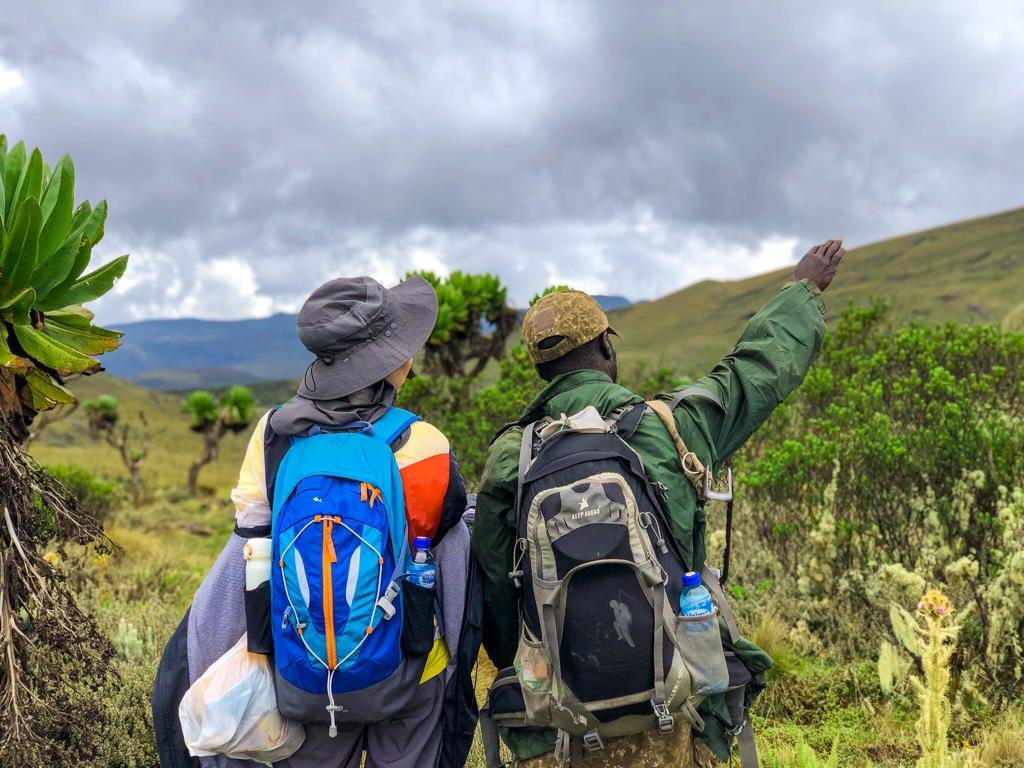
Best Hiking Trips in Uganda. The best hiking trips in Uganda range from the glaciers of the Rwenzori Mountains and the vast caldera of Mount Elgon to one-day volcano climbs and gentle walks past waterfalls. Whether you are a seasoned mountaineer or simply want a rewarding day on the trail, Uganda has a hike that will suit you.
The country is best known for gorillas, yet its mountains may be its most underrated attraction. You can climb to Africa’s third-highest summit, stand on a volcano on the border of three countries, or walk through coffee farms to a thundering waterfall. Many of these hikes also pair naturally with primate trekking and game drives.
This guide compares Uganda’s top hiking trips, then explains when to go, how fit you need to be, what to pack and how to plan your route. The team at Frena Adventures can arrange guides, permits and lodges to match your experience.
The Best Hiking Trips in Uganda at a Glance
The right hike depends on your fitness, your time and how much of a challenge you want. This table compares our top picks.
| Hike | Maximum height | Typical length | Difficulty |
|---|---|---|---|
| Margherita Peak, Rwenzori | 5,109 m | 7 to 10 days | Very hard, technical |
| Mount Elgon, Wagagai Peak | 4,321 m | 4 to 6 days | Moderate to hard |
| Mount Muhabura | 4,127 m | 1 long day | Hard |
| Mount Sabyinyo | About 3,669 m | 1 long day | Hard, with ladders |
| Mount Gahinga | About 3,473 m | 1 day | Moderate |
| Mount Morungole, Kidepo | About 2,750 m | 1 day or more | Moderate |
| Sipi Falls Trail | Foothills of Elgon | Half a day to 1 day | Easy to moderate |
| Buhoma to Nkuringo, Bwindi | Forest ridge | 1 day | Moderate to hard |
| Top of Murchison Falls | Low | Under 1 hour | Easy |
Why Go Hiking in Uganda?
Uganda offers a rare mix of big mountains and quiet trails. Compared with some of Africa’s busiest peaks, you may have long stretches of path almost to yourself.
- Incredible variety: Walk through rainforest, bamboo, moorland, volcanic craters and glaciers.
- Fewer crowds: Most trails see far fewer hikers than Africa’s most famous mountains.
- Rare plants and wildlife: Look for giant lobelias, primates and unusual mountain birds.
- Living culture: Trails often pass farms, villages and coffee gardens.
- Easy combinations: Link a hike with gorillas, chimps or a savannah safari.
For ideas and ready-made trips, see our Uganda mountain hiking safari page and our full selection of East Africa safari tours.
Rwenzori Mountains: Uganda’s Ultimate Trek
For serious trekkers, nothing in Uganda compares with the Rwenzori Mountains National Park. Often called the Mountains of the Moon, this range on the border with the Democratic Republic of Congo rises to Margherita Peak, which at 5,109 m is the third-highest summit in Africa.
The journey is unforgettable. You climb from farmland through montane forest and bamboo into a surreal world of giant heather, groundsels and lobelias, with moss hanging from the trees. Higher up, bogs give way to rock, ice and glaciers. The range is also known for its frequent rain and mud, so this is a demanding expedition rather than a casual walk.
There are two main routes to the summit area:
- Central Circuit: A classic loop that enters from the east through the Mubuku and Bujuku valleys, and usually takes around 7 to 9 days with a summit attempt.
- Kilembe Trail: Also called the southern route, it enters from the south and passes through scenic valleys, and normally takes around 8 to 10 days.
Reaching Margherita involves crossing glacier and rock, so you will use ropes, crampons and an ice axe with experienced guides. If that sounds too intense, you can still enjoy the range on shorter trips that do not require a summit attempt, such as the Mahoma Loop or a one-day foothill walk. See our 8-Day Trek to Margherita Peak for an example itinerary.
Mount Elgon: A Giant Volcano for Keen Walkers
Mount Elgon National Park offers a big mountain adventure without the technical climbing. This massive extinct volcano on the Kenyan border has one of the largest bases of any volcano in the world, and its huge caldera is one of the most impressive sights in East Africa.
The highest point, Wagagai Peak, reaches 4,321 m on the Ugandan side. Hikes usually take four to six days, and you can often choose a route that suits your fitness. These are the main trails:
- Sasa Trail: The most direct way up, with a steep start that includes the well-known Mudangi Cliffs.
- Sipi Trail: A longer approach from the Sipi area, with attractive scenery.
- Piswa Trail: A more gradual route that passes through varied forest and is known for its gentle gradient.
Many hikers go up one route and down another, which allows them to enjoy a greater variety of scenery. You may also see Elgon’s caves, hot springs and moorlands, along with colourful birds and small mammals. It is an excellent choice if you want a multi-day trek that is less demanding than the Rwenzori. Some hikers also use it as preparation for bigger climbs.
Mount Muhabura: The Toughest Virunga Day Hike
The Virunga volcanoes in Mgahinga Gorilla National Park offer some of Uganda’s best one-day hikes. Muhabura is the highest of the three volcanoes in the park, at about 4,127 m, and its name is often translated as “the guide”.
This is a long and strenuous climb, with loose rock near the top and a steady gain in altitude. Reports of round-trip times vary, but you should plan for a very full day, and many hikers need around eight hours or more. A small crater lake waits at the summit, and on a clear day the views can reach across the Virungas and towards the Rwenzori. Set off early, carry plenty of water and be ready to turn back if the weather changes.
Mount Sabyinyo: Three Countries from One Mountain
Sabyinyo, meaning “old man’s teeth”, is the dramatic jagged volcano on the meeting point of Uganda, Rwanda and the Democratic Republic of Congo. At about 3,669 m, it is lower than Muhabura, but many hikers find it more thrilling thanks to its rugged ridges and wooden ladders.
The hike commonly takes between seven and nine hours, and there are steep sections that demand both fitness and a good head for heights. Its third peak is the most famous, because it lets you stand on the border of three countries. Local conditions and access rules can change, so follow your ranger’s advice at all times.
Mount Gahinga: The Friendliest Volcano
Small but beautiful, Gahinga is the easiest of the three volcanoes and a great introduction to high-altitude hiking. Its summit is about 3,473 m, and its name comes from the word for a small pile of stones, like those that farmers gather in their fields.
The trail climbs through bamboo forest, where you may hear golden monkeys, before reaching a swampy crater at the top. It takes most of a day, but it requires no technical skills. If you are visiting the area to see gorillas or golden monkeys, this makes a wonderful extra day. You can also read about the 7 Days Trip to Kibale, Queen Elizabeth and Mgahinga.
Sipi Falls: The Best Scenic Day Hike
The Sipi Falls hike is one of Uganda’s most enjoyable walks, and it is a great choice if you do not want to tackle a big mountain. Located on the lower slopes of Mount Elgon, this series of three waterfalls drops by about 85, 75 and 100 metres through a green landscape of farms and cliffs.
A guided walk of around seven to eight kilometres links all three falls, passing through village paths and coffee gardens. You can stand behind a curtain of water, swim in a pool or enjoy the views of the plains below. Thrill-seekers can even try abseiling beside the tallest fall. Don’t miss a coffee tour, where local farmers show you how Arabica beans are grown, roasted and brewed.
Kidepo and Mount Morungole: A Wild Northern Adventure
For something truly remote, combine a safari in Kidepo Valley National Park with a hike in the Morungole Mountains. Rising to about 2,750 m, the range looks out over wild savannah towards the borders of Kenya and South Sudan.
The real highlight is meeting the Ik, a small community who live high on the mountain. The hike is moderately hard and can take a long day, with the option to stay overnight in some arrangements. It is a special experience for fit travellers who want a combination of culture and scenery. Fly in with our 3 Days Kidepo Fly-In Package, then add a day or two for the mountain.
Bwindi: The Buhoma to Nkuringo Trail
The forest walks at Bwindi Impenetrable National Park offer a great alternative for gorilla trekkers who would like another day on the trail. The best known is the route between the Buhoma and Nkuringo sectors, which crosses the forest from north to south.
Expect steep and muddy sections, and look out for primates, butterflies and forest birds along the way. Shorter options include the River Ivi Trail and the Bamboo Trail, while a community walk from Buhoma offers an easy introduction to local life. These walks pair well with our 3 Days Uganda Gorilla Safari or our 4 Days Exclusive Gorilla and Forest Retreat.
Top of Murchison Falls: A Short and Powerful Walk
Not every memorable hike needs to take all day. At Murchison Falls National Park, you can leave the boat at the end of your Nile cruise and walk to the top of the falls, a guided climb that typically takes about 45 minutes.
The trail brings you close to the spot where the Nile squeezes through a narrow gorge, with spray and thunder all around you. It is a fantastic way to stretch your legs in the middle of a safari, and the views are outstanding. Bring water and insect repellent, as tsetse flies can be active on parts of the route.
Other Great Walks in Uganda
These shorter options add variety to almost any route, and many are suitable for families and casual walkers.
- Fort Portal Crater Lakes: Walk through banana gardens to viewpoints over several volcanic lakes near Kibale.
- Lake Bunyonyi: Follow village paths around one of Uganda’s prettiest lakes, or canoe part of the way.
- Lake Mburo: Take a guided walk among zebras and antelopes in Lake Mburo National Park.
- Mabira Forest: Stroll through a lowland forest within easy reach of Kampala and Jinja.
- Kaniyo Pabidi and Rabongo: Enjoy peaceful forest walks in the Murchison Falls Conservation Area.
- Mount Moroto: Explore a remote, rugged mountain in Karamoja on your way to Kidepo.
Which Uganda Hike Is Right for You?
It helps to be honest about your fitness and how much time you have. These suggestions may help you choose.
| If you are… | Consider… | Why |
|---|---|---|
| A mountaineer | Margherita Peak | A true glacier expedition |
| A strong multi-day trekker | Mount Elgon | Big landscapes without technical gear |
| A fit traveller with one spare day | Muhabura or Sabyinyo | A tough but achievable challenge |
| A beginner on a primate safari | Mount Gahinga | Easier climb and beautiful forest |
| A family or casual walker | Sipi Falls or crater lakes | Shorter routes and big rewards |
| An off-the-beaten-track traveller | Mount Morungole | Remote scenery and the Ik community |
What You May See on the Trail
Uganda’s hikes are as much about nature as they are about reaching a summit. Each climb takes you through several vegetation zones, and every one of them has its own character.
On the lower slopes, you walk through farms and montane forest, where monkeys and colourful turacos may appear in the canopy. Higher up, thick bamboo gives way to heather and moorland. In the Rwenzori and on Mount Elgon, giant lobelias and groundsels create an almost otherworldly scene that few hikers ever forget.
Large animals are rarely the main attraction on these trails, but they do live here. Forest elephants and buffalo occur in some mountain areas, which is one reason rangers accompany many hikes. Birders can look for Albertine Rift specialities in the southwest, while lammergeiers may soar above Elgon’s cliffs. Keep your camera close, and take time to notice the small things along the path.
What a Rwenzori Summit Trek Involves
It is worth understanding how a Rwenzori expedition works before you sign up, because it is very different from a normal safari walk. Exact stages vary by route and operator, but a typical trek follows this pattern.
- Days 1 to 2: Leave the foothills and climb through forest and bamboo to the first camps.
- Days 3 to 4: Cross boggy valleys and moorland, with giant plants and wide mountain views.
- Day 5: Move to the high camp, rest and prepare your ropes and technical equipment.
- Day 6: Set off before dawn for the summit attempt, crossing rock and glacier to Margherita Peak.
- Days 7 to 8: Descend by a different valley, or retrace your steps, then return to the trailhead.
You will usually stay in basic huts or camps, with cooks, guides and porters supporting you along the way. Conditions can be cold, wet and muddy for days at a time, so a positive attitude is just as important as physical fitness. Those who complete the trek often rank it among the greatest adventures of their lives.
Best Time to Go Hiking in Uganda
The drier months of June to August and December to February are generally best for hiking. Trails are firmer, views are clearer and river crossings are easier, particularly in the mountains.
High mountains make their own weather, so be ready for rain at any time, especially in the Rwenzori. The wetter months around March to May and September to November bring lush scenery and fewer hikers, but they also bring mud, slippery rock and poor visibility. For more detail, read our guide to the best time to travel to Uganda.
How Fit Do You Need to Be?
The required fitness varies hugely between the hikes, so please choose realistically. These general levels can help you prepare.
- Easy walks: Sipi’s shorter sections, crater lakes and the Top of the Falls need only basic fitness.
- Moderate hikes: Gahinga, Morungole and the full Sipi trail need good stamina and steady legs.
- Hard day hikes: Muhabura and Sabyinyo involve many hours of steep walking at altitude.
- Multi-day treks: Elgon requires solid endurance over several consecutive days.
- Expedition level: Margherita demands excellent fitness, along with confidence on rock and ice.
Start training a few months before your trip. Walking with a loaded pack on hills is ideal, and adding stairs or cycling will help too. If you can, do a practice hike in the boots that you plan to wear.
Altitude and Safety on Uganda’s Mountains
Altitude can affect anyone above about 2,500 m, whatever their fitness. Symptoms can include headaches, nausea, dizziness and poor sleep. Take your time, drink water, and tell your guide straight away if you feel unwell. If symptoms get worse, descending is the safest response.
On all major hikes, follow your guide’s instructions, stay with your group and allow for sudden changes in the weather. Rangers often accompany hikers in national parks, partly for safety and partly because wild animals may be encountered. Make sure that your travel insurance covers trekking at your planned altitude, and that it includes emergency evacuation. Check your government’s latest travel advice for the area you plan to visit, including near international borders. If you have any health concerns, talk with your doctor before you commit to a high-altitude trek.
How Much Do Hiking Trips in Uganda Cost?
Costs depend on the route, your length of stay and the type of support you choose. Longer climbs usually involve guides, porters, food and hut or camp fees, while a day hike can be much simpler.
| Trip type | What to budget for |
|---|---|
| Virunga volcano day hike | Hiking permit, park entry where applicable, ranger, porter and transport |
| Mount Elgon trek | Daily park and hiking fees, guides, porters, food and camping |
| Rwenzori expedition | Trek package, guides, porters, huts, technical gear and food |
| Sipi Falls hike | Local guide fee, transport and accommodation |
| Short park walks | Guided walk fee and park entry |
The last published tariff is reported to have listed Virunga volcano climbs at about $80 per person for foreign non-residents, but that schedule ended in June 2026, so the current rate should be confirmed. Porters are usually paid separately, and they are a great way to support local people. Contact our team for a clear, itemised price.
What to Pack for a Uganda Hike
Good gear can make all the difference, particularly on wet trails and at altitude. Here is a useful starter list.
- Broken-in hiking boots with strong grip
- Rubber boots for the Rwenzori’s bogs, if your operator recommends them
- Waterproof jacket and trousers, plus warm layers
- Gardening gloves and gaiters for muddy, thorny sections
- A hat, sunglasses and high-factor sunscreen
- Trekking poles for steep ascents and descents
- At least two litres of water and high-energy snacks
- A headlamp with spare batteries
- A daypack with a waterproof liner
- A first-aid kit and any personal medication
For multi-day trips, you will also need a warm sleeping bag and extra dry clothing. Technical gear for glacier sections can often be hired, but please check before you travel.
Sample Itinerary: 5 Days of Volcanoes and Gorillas
This short route is ideal for hikers who also want to meet the gorillas.
- Day 1: Travel from Entebbe or Kigali to Kisoro, close to Mgahinga.
- Day 2: Trek to see mountain gorillas in Mgahinga or Bwindi.
- Day 3: Climb Mount Gahinga or Mount Sabyinyo.
- Day 4: Relax around Lake Bunyonyi, with a gentle village walk.
- Day 5: Return to Entebbe or Kigali, with time for souvenir shopping.
Sample Itinerary: 10 Days Across Uganda’s Hiking Highlights
This route covers several different landscapes, along with some classic safari experiences.
- Days 1 to 2: Travel to Sipi Falls, then explore the three waterfalls and a coffee farm.
- Days 3 to 4: Drive across country to Fort Portal, with a crater lake walk on arrival.
- Day 5: Track chimpanzees in Kibale, then join a Bigodi community walk.
- Days 6 to 7: Visit Queen Elizabeth National Park, or do a short Rwenzori foothill trek.
- Days 8 to 9: Continue to Mgahinga for gorillas and a volcano hike.
- Day 10: Relax on Lake Bunyonyi before returning to Entebbe.
Combine Hiking with a Safari
A hike is one of the best ways to balance time spent in a safari vehicle. These tours can provide a useful starting point, and we can adapt them to include your preferred trails.
Our 7 Days Ultimate Uganda Primate Safari and 8 Day Uganda Big Five Encounters can be extended with volcano or forest hikes. For longer active trips, see the 7 Days Uganda Adventure Holiday, or our wider range of Uganda adventure safaris.
If you would like to save time on long transfers, our fly-in safaris may help. The 16 Days East Africa Primate Safari also leads into Rwanda, where you can climb Bisoke and other volcanoes. For even bigger peaks, you can extend your trip to Kenya and Tanzania, the home of Mount Kenya and Kilimanjaro.
What a Virunga Volcano Hike Can Feel Like
A day on one of Uganda’s volcanoes is hard work, but the rewards can stay with you for years. Imagine how it might go.
You set off from Ntebeko in the cool morning air, with your ranger leading the way through fields of potatoes and beans. Soon you enter a green tunnel of bamboo, where a golden monkey may call from somewhere overhead. As the trail steepens, your legs start to burn and the conversation falls away.
Then the forest opens and the whole Virunga chain stands around you, with clouds drifting below its summits. You pause on the crater rim, eat a well-earned snack and look down across the lakes and hills. The walk back is long, but every step of it is worth it.
Tips for a Successful Hike
A bit of preparation goes a long way on Uganda’s trails. These tips apply to most hikes.
- Start early: Morning weather is often clearer, and you will have more daylight to finish.
- Hire a porter: It lightens your load and provides welcome income for local families.
- Go at your own pace: Slow, steady walking is usually better than racing ahead.
- Keep your feet dry: Pack extra socks and look after any blisters quickly.
- Drink often: Dehydration can make altitude symptoms and fatigue worse.
- Rest after long drives: Do not begin a major climb straight after a long journey.
- Keep some flexibility: A spare day can help you cope with weather or tiredness.
Responsible Hiking in Uganda
Uganda’s mountains are fragile, and they are home to communities that depend on them. Please stay on marked trails, carry out all your rubbish and never pick plants or disturb wildlife.
Ask permission before you photograph people, and pay porters and local guides fairly. Choose operators that treat their mountain crews well and provide suitable equipment. Our approach to responsible tourism explains how we try to support conservation and local people.
Frequently Asked Questions
What is the best hike in Uganda?
For serious trekkers, the Rwenzori Mountains are the ultimate challenge. Mount Elgon is excellent for a non-technical multi-day trek, while Sipi Falls is perfect for a short and scenic walk.
What is the highest mountain in Uganda?
Margherita Peak on Mount Stanley, in the Rwenzori range, is Uganda’s highest point at 5,109 m. It is also the third-highest summit in Africa.
Can beginners go hiking in Uganda?
Yes. Beginners can enjoy Sipi Falls, the crater lakes around Fort Portal and the Top of Murchison Falls. Mount Gahinga is a good next step for those with reasonable fitness.
How long does it take to climb the Rwenzori Mountains?
A summit trek usually takes around 7 to 10 days, depending on the route. Shorter treks are available if you only want to explore the lower valleys.
Do I need a guide to hike in Uganda?
A guide or ranger is usually required in the national parks and is strongly recommended elsewhere. Your guide will help with safety, navigation and the local knowledge that makes a hike so rewarding.
Can I combine hiking with gorilla trekking?
Yes. Mgahinga is especially convenient, as it offers gorillas, golden monkeys and three volcano hikes in one park. Bwindi and Rwanda’s Volcanoes National Park can also be included.
Do I need special equipment for Margherita Peak?
Yes. You will normally need crampons, a harness, an ice axe and helmet for glacier sections. Your operator can advise on what you can hire and what you need to bring.
Best Hiking Trips in Uganda
The right hike can become the highlight of your entire trip. Tell us your experience, dates and interests, and we will help you choose a route that is both exciting and realistic.
Frena Adventures creates tailor-made journeys across East Africa, with knowledgeable guides and well-organised logistics. Learn more about our team, read more travel advice on our blog, or explore all our destinations.
Ready to hit the trail? Send us your enquiry, call or WhatsApp +256 704 945229, or email info@frenaadventures.com.
Our Uganda & Rwanda Safari Packages
Discover unforgettable gorilla trekking adventures, wildlife safaris, cultural tours, and East African travel experiences carefully designed for nature lovers and adventure seekers.
 3 Days
 Bwindi Gorilla Trekking Safari
Experience unforgettable gorilla trekking adventures deep inside Bwindi Impenetrable National Park in Uganda.
Explore Safari 4 Days
 Rwanda Gorilla & Golden Monkey Safari
Enjoy an exciting Rwanda primate safari with gorilla trekking and golden monkey encounters near Volcanoes National Park.
Explore Safari 7 Days
 Ultimate Uganda Primate Safari
Track mountain gorillas, chimpanzees, and explore Uganda’s beautiful landscapes and crater lakes.
Explore Safari 8 Days
 Uganda Big Five Safari Adventure
Explore Uganda’s iconic national parks and encounter lions, elephants, buffaloes, giraffes, and leopards.
Explore Safari 11 Days
 Uganda & Rwanda Cultural Safari
Discover East Africa’s rich cultures, mountain gorillas, scenic landscapes, and unforgettable local experiences.
Explore Safari 15 Days
 Grand East Africa Safari
Experience the best wildlife, gorilla trekking, culture, and landscapes across East Africa.
Explore Safari