Game Drive in Kidepo – What to see
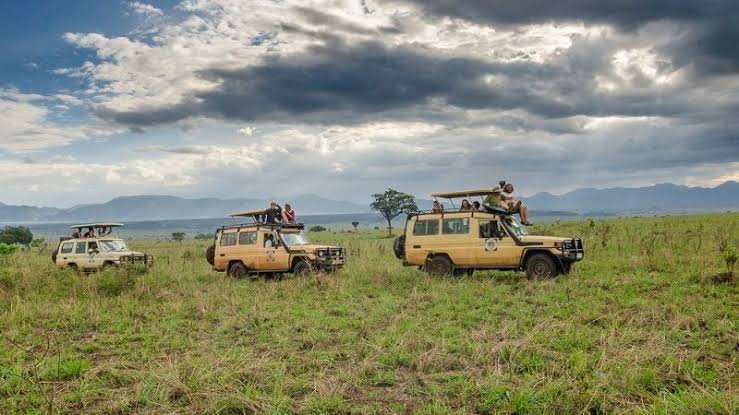
Game Drive in Kidepo – What to see. A game drive in Kidepo takes you through one of Africa’s great wilderness landscapes, where lions rest on granite outcrops, buffalo fill the valley floor and ostriches stride across golden plains. You may spend hours without seeing another vehicle, and that sense of space is what makes this park so special.
Kidepo Valley National Park lies in the far northeast of Uganda, along the borders with South Sudan and Kenya. Its remote location keeps visitor numbers low, while its dry savannah supports animals that you will not find in any other Ugandan national park.
This guide explains what to see on a Kidepo game drive, where to go, when to visit and how to plan your trip. When you are ready, the safari specialists at Frena Adventures can build the route around your dates and budget.
Why a Game Drive in Kidepo Is Different
Kidepo stands out because it combines big game, dramatic scenery and very few crowds. Gazetted as a national park in 1962, it covers about 1,442 square kilometres, with altitudes that range from 914 m to 2,750 m above sea level.
The figures are impressive. The park records more than 77 mammal species and around 475 bird species, and many of those mammals occur in no other Ugandan park. Here is what sets a drive here apart from a typical safari:
- Space and solitude: Long, open tracks and low visitor numbers give you an intimate experience.
- Unusual species: Dry-country animals and birds add variety that you will not see elsewhere in Uganda.
- Spectacular backdrops: Mountain ranges frame the plains in almost every direction.
- Rock-loving lions: Kidepo’s lions often use granite outcrops as lookout points.
- Living culture: Karamojong and Ik communities live close to the park.
If you are comparing destinations, explore our Kidepo Valley National Park overview or read about the best 10 Uganda national parks.
Where Do Game Drives Go in Kidepo?
Most game drives explore the Narus Valley, because it has the park’s most reliable water and its highest concentration of wildlife. The Kidepo Valley in the north has less big game, but it rewards you with wilder scenery and a real sense of adventure.
Narus Valley: The Heart of Kidepo Game Viewing
The Narus Valley is a rolling grassland plain in the southwest of the park, ringed by distant mountains. As other water sources shrink during the dry months, pools and wetlands here draw animals from across the park.
This makes the valley the best place to look for large buffalo herds, elephants, giraffes, zebras, antelopes and the predators that follow them. Its network of tracks, including popular loops close to Apoka, is well suited to both morning and afternoon drives. Your guide will choose a route based on recent sightings and the condition of the tracks.
Do not rush past the rocky outcrops, or kopjes, that rise from the grass. Lions use them to rest and to scan the plains for prey, so a careful look through binoculars can pay off.
Kidepo Valley and the Kanangorok Hot Springs
A full-day drive north takes you into the Kidepo Valley, where the river becomes a wide ribbon of sand during the dry season. Borassus palms line the riverbed, and the wide views feel very different from Narus.
You will usually see fewer large animals on this route, although you may encounter ostriches and other dry-country species. The drive continues towards the Kanangorok Hot Springs, close to the South Sudan border. Your guide can advise whether the route is passable, and whether it is worth the extra time.
This route suits travellers staying for at least three nights. On a shorter visit, spend your time in the Narus Valley.
Lomej Hills and Scenic Viewpoints
The Lomej Hills sit a short drive from the park headquarters, and they make a useful stop for wildlife and birds. Look out for mountain reedbuck on the slopes, and take time to enjoy views across the plains. Ask your guide to include a viewpoint on your afternoon drive, as the low light brings out the colours of the savannah and mountains.
What to See on a Game Drive in Kidepo
Expect elephants, buffalo, giraffes, zebras and a wide range of antelopes on most visits, with a good chance of lions and an outside chance of rarer predators. Wildlife is never guaranteed, so this table gives you a realistic idea of what to expect.
| Animal | Best place to look | Chance of seeing |
|---|---|---|
| Cape buffalo | Narus Valley grasslands | High |
| Elephant | Narus Valley, near water | High |
| Giraffe | Open plains and acacia woodland | High |
| Zebra | Narus Valley plains | High |
| Jackson’s hartebeest and oribi | Open grassland | High |
| Lion | Kopjes and valley plains | Moderate |
| Spotted hyena and jackal | Early morning and after dark | Moderate |
| Leopard | Rocky areas and riverine trees | Low |
| Cheetah | Open plains | Low |
| Aardwolf, bat-eared fox and caracal | Open country, often around dusk | Low |
Lions on the Rocks and Other Predators
Kidepo’s lions are the park’s star attraction. Rather than climbing trees like the famous lions of Ishasha, they often lounge on rocky outcrops, where they stay cool and watch for buffalo and antelope below. Seeing a pride on a kopje at sunrise, with mountains behind it, is a photograph you will treasure.
The park also protects several carnivores that are hard to find elsewhere in Uganda. These include the striped hyena, aardwolf, caracal and bat-eared fox. Cheetahs and leopards are present too, but both are elusive, so treat any sighting as a real bonus.
Night drives offer your best chance of seeing many of these shy, nocturnal species. If you have a particular animal in mind, tell your guide at the start of the drive.
Elephants, Buffalo and Giraffes
The Narus Valley can produce big herds and classic safari scenes. Buffalo may gather in impressive numbers, sometimes with oxpeckers riding on their backs and predators waiting nearby. Elephants move between the grasslands and water, and in the dry season they are often easy to find near the remaining pools.
Tall giraffes are among the most photogenic animals here, especially against the mountains in the late-afternoon light. You may also see zebras grazing nearby, and warthogs trotting away with their tails in the air.
If ticking off the Big Five matters to you, note that Kidepo does not have rhinos. You can add them with a visit to Ziwa Rhino Sanctuary or learn more about our Big Five safaris.
Antelopes and Smaller Mammals
Kidepo’s antelopes reflect its mix of grassland, woodland and rocky hills. Keep your eyes open for these species:
- Jackson’s hartebeest: A long-faced antelope that often stands on termite mounds to keep watch.
- Oribi: A small, graceful grazer of the open plains.
- Defassa waterbuck: A large, shaggy antelope usually seen near water.
- Bushbuck and reedbuck: Shy animals that favour cover, and rocky hills in the case of mountain reedbuck.
- Kudu and eland: Scarce dry-country specialists that make any drive memorable.
- Guenther’s dik-dik: A tiny, big-eyed antelope that is easy to miss in thick bush.
Smaller animals add plenty of interest. Look for patas monkeys, one of the fastest primates on the ground, along with olive baboons and vervet monkeys. These quieter moments often become the highlights of a long drive.
Birds of Kidepo: Ostriches, Raptors and More
Kidepo is a superb destination for birders, including those who did not expect to be. Its checklist has around 475 species, and dry-country birds add a distinct flavour to any Uganda birding safari.
The common ostrich is the bird that most visitors want to see, and Kidepo is the best place in Uganda to find one. Other highlights include:
- Kori bustard: One of the world’s heaviest flying birds, often seen walking across the plains.
- Secretary bird: A long-legged hunter that stalks snakes and other prey on foot.
- Abyssinian ground hornbill: A large black bird with a striking bill.
- Karamoja apalis: A small and local species that keen birders travel far to find.
- Carmine bee-eaters and rollers: Colourful birds that are easy to photograph from a vehicle.
- Birds of prey: More than 50 raptor species have been recorded, including Verreaux’s eagle, Egyptian vulture and pygmy falcon.
Bring binoculars, even if birds are not your main interest. For more ideas on species and seasons, read our guide to bird watching in Uganda.
Landscapes Worth the Journey
For many travellers, the scenery is what they remember most. The Morungole Mountains rise above the park’s southern plains, while the wide skies and pale grasslands can look almost unreal at first light.
Borassus palms, sausage trees, whistling thorn and scattered acacias add character to each valley. As the seasons change, the colours shift from fresh greens to deep golds. Allow time to stop, switch off your engine and enjoy the silence.
A Perfect Day in the Narus Valley
One good day in the Narus Valley can feel like a complete safari. Here is how it might unfold.
You leave the lodge in the cool half-light, wrapped in a fleece, as the first colour touches the mountains. Within minutes, a line of buffalo crosses the track ahead, with egrets and oxpeckers following close behind. Your guide then slows down beside a kopje and points to a pale shape on the rock: a lioness, yawning in the first warm sun, with two cubs tumbling at her feet.
By mid-morning, you have seen giraffes browsing among the acacias and a family of elephants heading to a shrinking pool. After a long brunch and a rest in the shade, you set out again at about 4:00 pm. Ostriches stride across the plain, a Jackson’s hartebeest keeps watch from a termite mound, and the whole valley turns gold.
You stop at a viewpoint as the sun drops behind the hills, with no other vehicle in sight. That is the moment when most visitors understand why Kidepo is worth the journey.
Morning, Afternoon or Night: Which Game Drive Is Best?
A morning drive is the one to prioritise, but two or three different drives will show you far more of the park. Each time of day has its own rhythm.
| Drive | Typical timing | Why go |
|---|---|---|
| Morning | From around sunrise | Cooler air, active predators, grazing herds and soft light |
| Afternoon | From about 4:00 pm until dusk | Animals near water, warm colours and sunset views |
| Full day | With a packed lunch | Time for the Kidepo Valley or more distant areas |
| Night | After dark, by arrangement | Nocturnal animals and a very different atmosphere |
Night drives need a Uganda Wildlife Authority ranger and advance booking. They are especially rewarding for spotting hyenas, genets, bush babies and other animals that hide during the day.
What Happens on a Kidepo Game Drive
A typical drive is simple, relaxed and full of small surprises. Here is what a morning usually looks like:
- Wake early: Have tea or coffee at your lodge before first light.
- Meet your guide: Agree on your priorities, whether those are lions, birds or photography.
- Enter the valley: Drive slowly along the tracks, with the roof open where your vehicle allows.
- Read the signs: Your guide watches for tracks, alarm calls and animals staring in one direction.
- Stop and watch: Take your time at each sighting, as behaviour often matters more than ticking off species.
- Return for brunch: Head back as the heat builds, then rest before your afternoon activity.
Best Time for a Game Drive in Kidepo
The dry season, broadly from September to March, is the best time for classic game viewing. Water is scarce, animals gather around the Narus Valley and short grass makes them easier to spot.
The wetter months, usually around April to August, have different benefits. The plains turn green, newborn animals appear and photographers enjoy clearer, dust-free air. However, thicker grass can hide wildlife, and muddy roads can slow your journey. Migrant birds also add interest during parts of the wetter season, making this a good period for birders who can travel with flexible plans.
Seasons can shift from year to year, so check with us before you finalise your dates. Our general guide to the best time to travel to Uganda can help you plan the rest of your route.
How to Get to Kidepo Valley National Park
You can reach Kidepo by road or by air. Your choice mainly depends on how much time you have.
By road. The drive from Kampala is long and usually takes around 10 to 12 hours, depending on your route and road conditions. A sturdy 4×4 is essential. Many travellers split the journey with a stop at Sipi Falls in the Mount Elgon region or at Murchison Falls National Park, which turns a long transfer into part of the adventure.
By air. Light aircraft can take you from Entebbe or Kampala to the Apoka airstrip inside the park, typically in about two hours. Flying leaves you with far more energy, and you can be on an afternoon game drive on the day you arrive. Seats are limited, so book early. See our Uganda fly-in safari options for ideas, or read more about a fly-in Uganda safari.
Before you commit to a route, check your government’s latest travel advice for northeastern Uganda. We can also update you on current road conditions.
How Much Does a Kidepo Game Drive Cost?
For most visitors, the largest costs are transport and accommodation rather than the game drive itself. Fees are set by the Uganda Wildlife Authority and can change, so treat these published figures for foreign non-residents as a guide only.
| Fee | Approximate cost (USD) |
|---|---|
| Park entrance, per person per 24 hours | $40 |
| Guided day game drive, per private vehicle | $20 |
| Night game drive with ranger, per person | $30 |
| Park vehicle for a day game drive, per person | $30 |
| Park vehicle for a night game drive, per person | $40 |
A vehicle entry fee and your guide’s costs may also apply. When you compare quotes, check whether they include park fees, ranger fees, fuel, meals and flights. Our contact team can give you a clear, itemised price for your dates.
Where to Stay for the Best Game Drives
Stay inside or right next to the park to make the most of early starts and sunset drives. Lodging is limited, so reserve well ahead for the dry season.
- Luxury: Apoka Safari Lodge sits inside the park, with sweeping views over the Narus Valley.
- Mid-range: Kidepo Savannah Lodge is an unfenced tented camp on the park’s border, with good value and a true bush feel.
- Other options: Adere Safari Lodge and Karamoja Safari Camp offer further choices nearby.
- Budget: The Uganda Wildlife Authority’s simple Apoka bandas suit self-sufficient travellers who care most about location.
Tell us your budget and we will suggest the best fit for your trip.
What Else Can You Do Around Your Game Drives?
The middle of the day is hot and quiet, so plan a slower activity between your morning and afternoon drives. These options add depth to your stay.
- Guided nature walks: Walk with an armed ranger near Apoka to learn about tracks, plants and insects.
- Birdwatching: Explore the area around your lodge and the valley with a specialist guide.
- Mountain hikes: Fit walkers can arrange hikes in the Morungole range or to Lonyili, weather and access permitting.
- Photography: Use the slow hours to review your shots and plan your next session.
Meet the Karamojong and Ik Communities
A visit to the communities around Kidepo adds a human story to your safari. The Karamojong are semi-nomadic cattle keepers whose lives revolve around their herds. Visits to their homesteads, known as manyattas, introduce you to local dance, food, crafts and family life.
The Ik are a small community who live high in the Morungole Mountains. Reaching them involves a demanding hike, but the views and the conversations make it a remarkable experience for fit travellers.
Ask permission before taking photographs, and choose visits that pay local people fairly. For more ideas across the country, see our page on Uganda cultural safaris.
How Many Days Do You Need in Kidepo?
Plan on at least two full days in the park, which usually means three nights. That gives you several Narus Valley drives, a walk and a community visit. Add a fourth night if you would like a full day in the Kidepo Valley or a mountain hike.
Sample Itinerary: 3 Days Fly-In Kidepo Safari
This short trip is ideal when time is tight and you want to skip the long road journey.
- Day 1: Fly to Apoka from Entebbe or Kampala. Check in, then go on an afternoon game drive through the Narus Valley.
- Day 2: Take a sunrise game drive, enjoy a guided walk or Karamojong visit, then head out for sunset on the plains.
- Day 3: Enjoy a final early drive before your return flight.
For a ready-made route, see our 3 Days Kidepo Fly-In Package.
Sample Itinerary: 6 Days by Road via Sipi Falls
Travelling overland lets you experience the changing landscapes of eastern and northern Uganda.
- Kampala to Sipi Falls: Drive east and enjoy views of the waterfalls on the slopes of Mount Elgon.
- Sipi Falls: Take a guided waterfall hike and a local coffee tour.
- Sipi Falls to Kidepo: Continue north through Karamoja, watching the country grow wilder and drier.
- Kidepo: Spend the day on morning and afternoon game drives in the Narus Valley.
- Kidepo: Add a Kidepo Valley drive, a walk or a community visit, with an optional night drive.
- Kidepo to Kampala: Set off early for the long drive back, or fly to save time.
The route can also be reversed, or linked with Murchison Falls for a northern loop.
How to Combine Kidepo with Other Safaris
Kidepo combines especially well with destinations that offer different wildlife and scenery. It adds dry-country wilderness to a trip that may otherwise focus on rainforest primates.
Add wildlife. Our 8 Day Uganda Big Five Encounters and 10 Day Ultimate Uganda Big Five are useful starting points, and we can adapt them to include Kidepo. The 6 Days Luxury Big Game Wildlife Safari offers a more indulgent style.
Add primates. Pair the savannah with mountain gorillas and chimpanzees on the 7 Days Ultimate Uganda Primate Safari or a shorter 3 Days Uganda Gorilla Safari. Flights between Uganda’s parks can make this combination far more comfortable.
Add photography. Keen photographers can use our 15 Days Premium Wildlife Photography Safari as a template for a slower, more focused trip.
Add another country. Extend your journey to Rwanda, Kenya or Tanzania. For more inspiration, browse our Uganda wildlife safaris and full range of safari tours. If you plan to cross borders, our East Africa tourist visa guide is a good place to start.
Tips for a Better Game Drive in Kidepo
Small choices can make a big difference to what you see and how much you enjoy it. These tips apply to first-time visitors and experienced safari-goers alike.
- Leave early: The first two hours of daylight are often the most productive.
- Use a guide: A skilled guide knows where animals have been moving and how to read their behaviour.
- Be patient: Waiting quietly at a promising spot can reveal far more than rushing to the next one.
- Look at the rocks: Scan kopjes carefully, because a resting lion can blend in surprisingly well.
- Check the pools: In dry months, water attracts animals throughout the day.
- Ask questions: Guides love to share their knowledge of tracks, plants and animal behaviour.
- Keep your binoculars handy: Share them around the vehicle, as many sightings begin with a distant shape.
What to Pack for Kidepo
Kidepo can be hot, dusty and exposed, so pack light layers and strong sun protection.
- Neutral-coloured, breathable clothing and long sleeves
- A warm fleece for early mornings and open-roof drives
- A wide-brimmed hat, sunglasses and high-factor sunscreen
- Insect repellent and any recommended antimalarial medication
- Binoculars and a camera with a telephoto lens of 200 mm or more
- Spare batteries, memory cards and a power bank
- A scarf or buff, and a cover to protect your camera from dust
- Closed walking shoes for nature walks and village visits
Speak with a travel clinic before your trip about vaccinations and malaria prevention. Keep essential medicines with you, as Kidepo is a long way from major towns.
Game Drive Rules and Safety
Park rules protect both wildlife and visitors, and following them is part of being a good guest. Listen to your guide and observe these basics:
- Stay inside your vehicle unless your guide says otherwise.
- Stay on the marked tracks, and do not drive off-road.
- Keep your voice low, and do not sound the horn near animals.
- Never feed wildlife or throw litter from the vehicle.
- Give animals plenty of space, particularly elephants and mothers with young.
- Return to your lodge or camp before the park’s closing time unless you are on a booked night drive.
These habits are also part of our commitment to responsible tourism, which aims to protect wild places and support the people who live beside them.
Photography Tips for Kidepo
Kidepo’s clear light and wide spaces make it a wonderful place for photography. Shoot in the first and last hours of the day, when the mountains and grass glow. Include the landscape in your frame, as a small lion on a vast kopje can say more than a tight portrait.
A beanbag is useful for steadying long lenses on the vehicle’s window frame. Ask your driver to turn off the engine at sightings to reduce vibration, and protect your equipment from dust between stops.
Is Kidepo Worth Visiting?
Yes, if you value wild scenery, unusual wildlife and few crowds over quick and easy access. It may not suit travellers with very limited time, or those who want guaranteed big cat sightings every day.
For anyone who has already seen the busier parks of East Africa, Kidepo feels like a real discovery. Flying in makes it possible even on a short trip, while the road journey rewards those who enjoy the adventure of getting there.
Frequently Asked Questions
What animals can I see on a game drive in Kidepo?
You can expect buffalo, elephants, giraffes, zebras and several antelope species. Lions are regularly seen, while leopards, cheetahs, caracals and aardwolves are harder to find.
Which is the best area for game drives in Kidepo?
The Narus Valley is best for most visitors, because its water attracts wildlife for much of the year. The Kidepo Valley is better for scenery, ostriches and a remote feel.
Does Kidepo have the Big Five?
No. Kidepo has lions, leopards, elephants and buffalo, but it does not have rhinos. Many travellers see rhinos on foot at Ziwa Rhino Sanctuary instead.
How long does a game drive in Kidepo take?
Most morning or afternoon drives last about three to four hours. A full-day drive with a packed lunch is the best way to reach the Kidepo Valley.
Can I do a night game drive in Kidepo?
Yes. Night drives are available with a Uganda Wildlife Authority ranger, and they should be arranged in advance.
When is the best time to visit Kidepo?
September to March is generally best for game viewing, as animals gather around the remaining water. The greener months are attractive for birders and photographers, although travel can be slower.
Is Kidepo suitable for children?
Older children usually enjoy it, particularly if you fly in and avoid the long road trip. Check age limits with your lodge and guide, especially for night drives and walks.
Game Drive in Kidepo – What to see
A well-planned Kidepo safari starts with the right season, transport and lodge. Share your travel dates and interests with us, and we will build a route around them.
Frena Adventures creates tailor-made safaris across East Africa, with knowledgeable guides and well-organised logistics. Learn more about our team, read more travel advice on our blog, or explore all our destinations.
Ready to go? Send us your enquiry, call or WhatsApp +256 704 945229, or email info@frenaadventures.com. We would love to help you experience Uganda’s wildest park.
Our Uganda & Rwanda Safari Packages
Discover unforgettable gorilla trekking adventures, wildlife safaris, cultural tours, and East African travel experiences carefully designed for nature lovers and adventure seekers.
 3 Days
 Bwindi Gorilla Trekking Safari
Experience unforgettable gorilla trekking adventures deep inside Bwindi Impenetrable National Park in Uganda.
Explore Safari 4 Days
 Rwanda Gorilla & Golden Monkey Safari
Enjoy an exciting Rwanda primate safari with gorilla trekking and golden monkey encounters near Volcanoes National Park.
Explore Safari 7 Days
 Ultimate Uganda Primate Safari
Track mountain gorillas, chimpanzees, and explore Uganda’s beautiful landscapes and crater lakes.
Explore Safari 8 Days
 Uganda Big Five Safari Adventure
Explore Uganda’s iconic national parks and encounter lions, elephants, buffaloes, giraffes, and leopards.
Explore Safari 11 Days
 Uganda & Rwanda Cultural Safari
Discover East Africa’s rich cultures, mountain gorillas, scenic landscapes, and unforgettable local experiences.
Explore Safari 15 Days
 Grand East Africa Safari
Experience the best wildlife, gorilla trekking, culture, and landscapes across East Africa.
Explore Safari