Cultural Tours in Uganda with Chimps Tracking
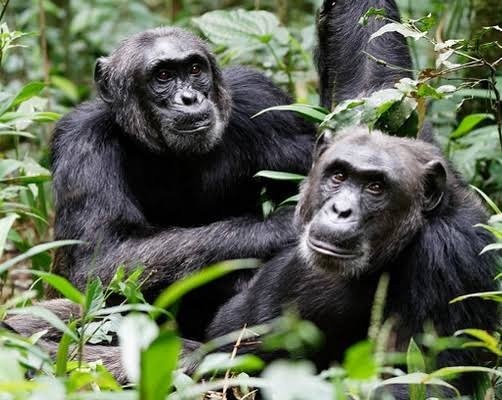
Cultural Tours in Uganda with Chimps Tracking. Cultural tours in Uganda with chimps tracking give you two journeys in one trip. In the morning, you follow pant-hoots through a tropical rainforest until a chimpanzee family appears above you. In the afternoon, you walk through a village with a local guide, taste a home-cooked meal and hear stories passed down for generations.
Few safari destinations place these experiences so close together. Uganda is home to more than 50 ethnic groups, several traditional kingdoms and one of the largest chimpanzee populations in East Africa. Many of its best cultural encounters sit just outside its national parks, so you can add them without long detours.
This guide shows you where to track chimpanzees, which cultural experiences deserve a place on your route, how long to travel and what to budget. It also shares sample itineraries that you can adapt with the team at Frena Adventures.
Why Combine Cultural Tours with Chimpanzee Tracking in Uganda?
Culture and chimpanzees are a natural pair because they answer the same question from different angles: how do communities, human and non-human, live with the forest?
A chimpanzee trek shows you a society of grooming, rivalry, play and loud communication. A visit to a forest-edge community shows you how people have used, protected and lost access to those same landscapes. Together, they give you a fuller picture than a wildlife checklist ever could.
The combination also has practical benefits:
- Better pacing: Chimp treks usually fill only part of a day, which leaves time for an unhurried community visit.
- Shorter drives: Bigodi village sits about 6 km from the main chimp trekking centre in Kibale.
- Local impact: Community-run walks and craft sales put tourism income directly into local hands.
- Wider appeal: Groups with mixed interests can share one itinerary, from keen naturalists to history lovers.
If you want to compare trip styles first, browse our full range of Uganda and East Africa safari tours or read more about Uganda cultural safaris.
Why Chimpanzees Are So Fascinating to Watch
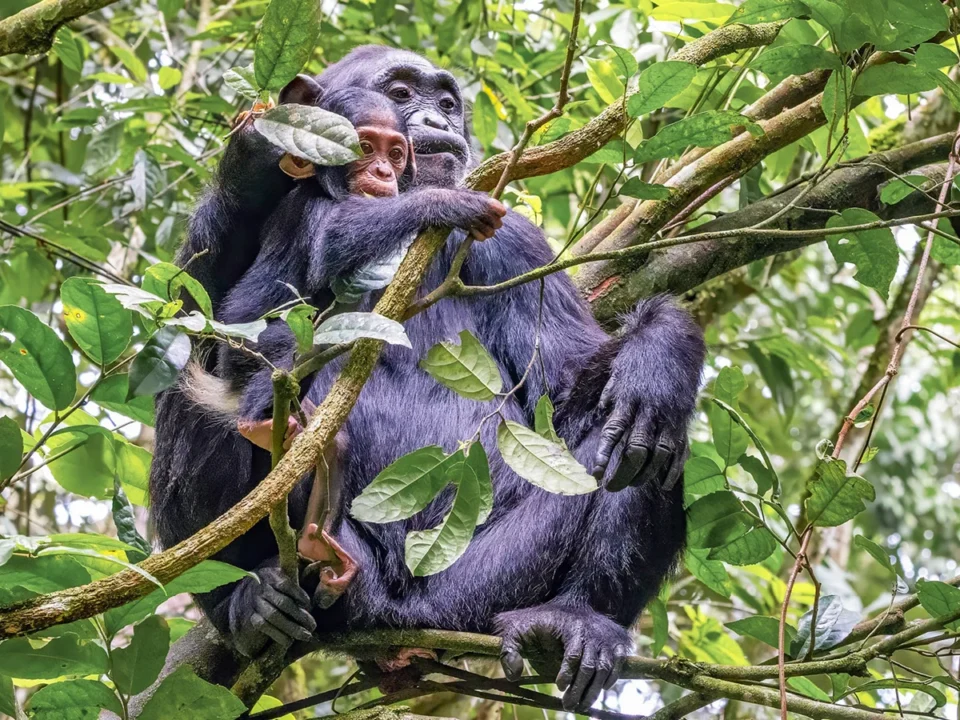
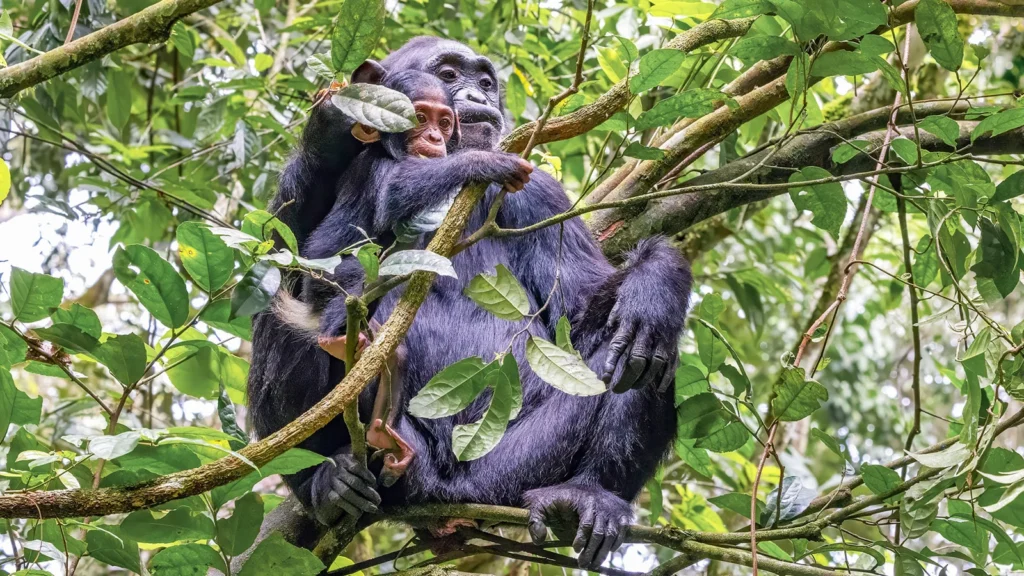
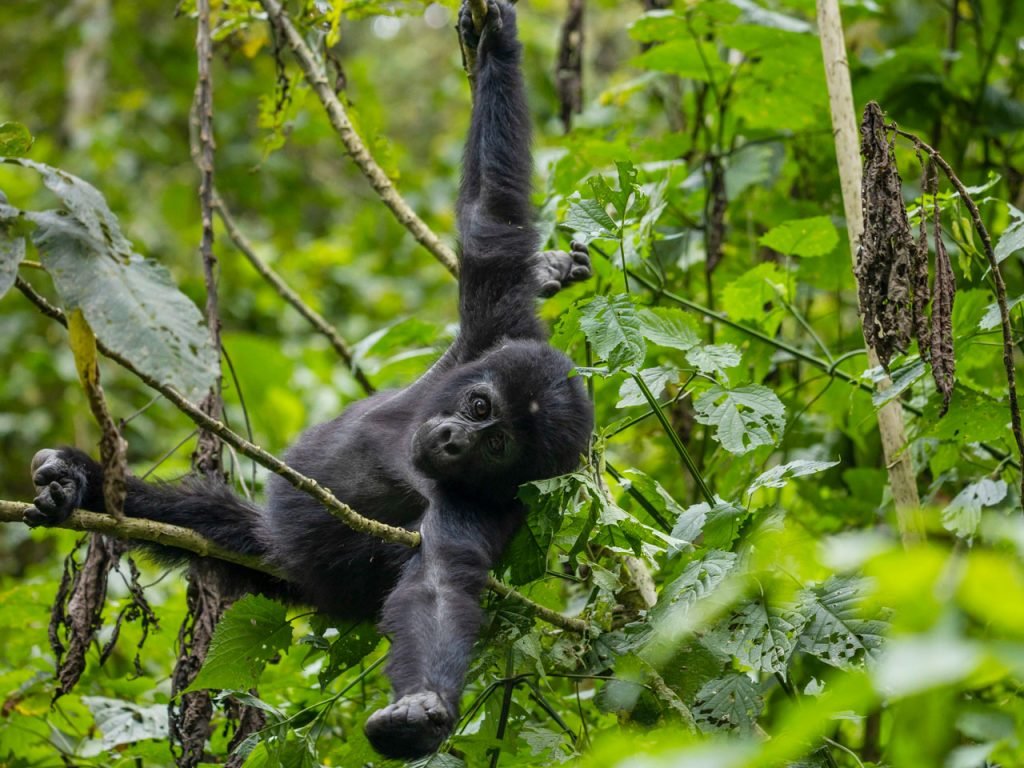
Chimpanzees share around 98 percent of their DNA with humans, and that closeness is obvious within minutes of meeting them. They form alliances, comfort one another, argue over status and raise their young over many years. Mothers and infants stay closely bonded, and you may see a youngster practising climbing skills just out of reach of an older sibling.
Scientists have also found that different chimpanzee communities develop their own habits, including particular ways of using tools or finding food. In other words, chimpanzees have traditions of their own. That idea gives your whole trip a neat theme, as you spend your mornings observing chimp society and your afternoons learning from human communities.
Where to Go Chimpanzee Tracking in Uganda
Kibale National Park is the best choice for most travellers, but Uganda has several other excellent chimp destinations. Your ideal choice depends on your route, budget and the kind of forest experience you want.
Kibale National Park. Often called the primate capital of the world, Kibale National Park is home to around 1,500 chimpanzees and more than 13 primate species. Sighting success often exceeds 90 percent, and more than 370 bird species make the forest walk rewarding even between chimp encounters. Treks begin with a ranger briefing at the Kanyanchu Visitor Centre.
Kyambura Gorge. This sunken forest cuts through the savannah of Queen Elizabeth National Park. The setting is dramatic, although sightings are less predictable than in Kibale. It suits travellers who are already on a game drive route and want a second primate experience.
Budongo Forest. Located in the Murchison Falls Conservation Area, Budongo pairs well with a northern circuit. You can combine mahogany forest and chimpanzees with Nile boat cruises and big game in Murchison Falls National Park.
Kalinzu Forest. This forest reserve near Queen Elizabeth is a good-value alternative, with a quieter atmosphere and a useful location on the road towards Bwindi.
What Happens on a Chimpanzee Tracking Day
A typical Kibale trek is simple to follow, and most visitors with moderate fitness manage it comfortably.
- Early breakfast and transfer: You leave your lodge in time for the morning briefing at Kanyanchu.
- Ranger briefing: Guides explain the trekking rules, safety measures and chimpanzee behaviour.
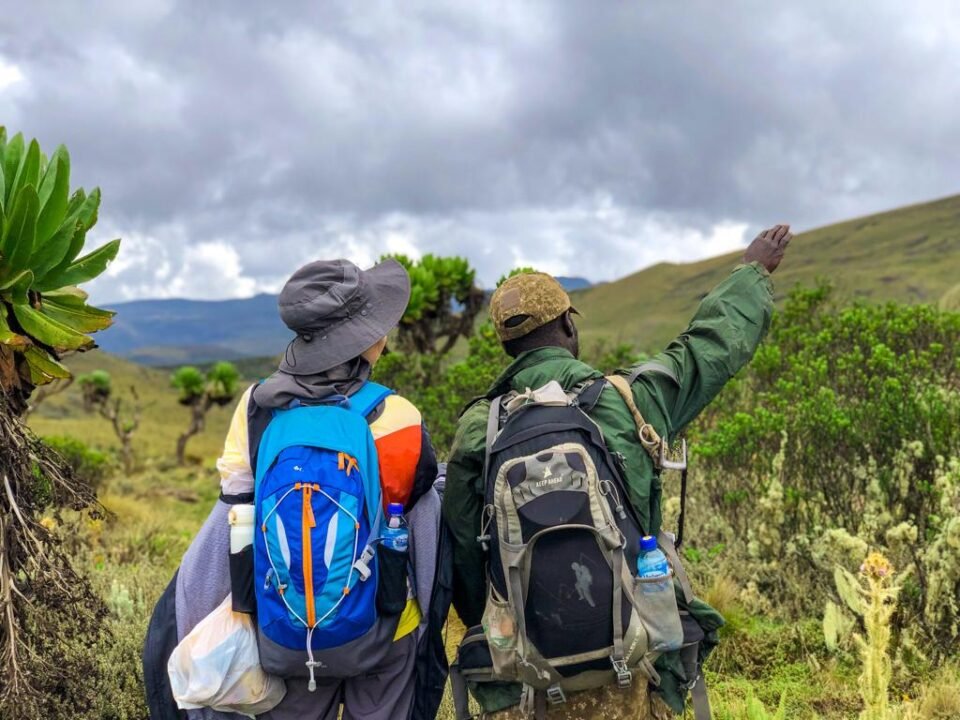
- Into the forest: Your small group follows established trails, listening for calls and drumming on buttress roots.
- The encounter: Once the chimps are found, you may stay with them for up to one hour.
- Return and rest: Trek length varies with the chimps’ movements, so keep your afternoon plans flexible.
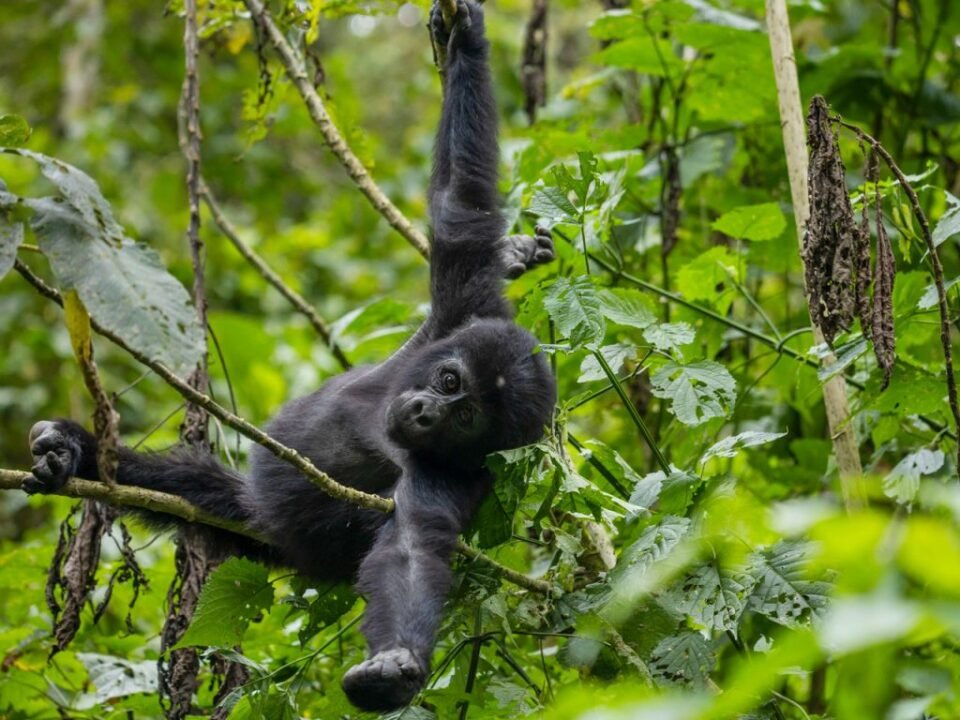
During your hour, you may see chimps feed high in fig trees, groom each other, chase through the undergrowth or erupt into a chorus of calls. Unlike the calm of a gorilla family, a chimp encounter can be fast, noisy and thrilling. Keep your camera ready, but take time to simply watch.
Chimpanzee Tracking or the Habituation Experience?
The standard trek gives you one hour with a habituated community, which suits most itineraries. The habituation experience in Kibale gives you far more time, as you accompany researchers and rangers working with a community that is still getting used to people.
Choose habituation if you are a photographer, a primate enthusiast or a traveller who prefers depth over speed. Choose standard tracking if you want time for a village walk, or if you are moving on to another park the same day.
Chimpanzee Permit Prices for 2026 and 2027
Permits are the largest fixed cost of chimp tracking, and Kibale’s reported rates change on 1 January 2027. The figures below are for foreign non-residents and should be confirmed when you book, as Uganda Wildlife Authority fees can change.
| Experience | Until 31 Dec 2026 (USD) | From 1 Jan 2027 (USD) |
|---|---|---|
| Kibale chimpanzee tracking | $250 | $300 |
| Kibale chimpanzee habituation | $300 | $400 |
| Kyambura Gorge chimpanzee tracking | $100 | $200 |
Lower rates apply to foreign residents, other African nationals and East African citizens. Because permits sell out at peak times, ask us to secure yours as soon as your dates are firm. Our contact team can confirm current availability and rates for your travel dates.
The Best Cultural Tours to Pair with Chimp Tracking
The easiest cultural stop is right beside Kibale, but Uganda’s traditions stretch across the whole country. These are the experiences that fit most naturally into a primate safari.
Bigodi Village and the Batooro People
Bigodi is the classic partner to a Kibale chimp trek, and it is one of Uganda’s best-known community tourism projects. Since 1992, the Kibale Association for Rural and Environmental Development (KAFRED) has reinvested tourism income in local development, including schools and water projects.
A visit usually combines two activities. The guided wetland walk follows boardwalks through Magombe Swamp, where you may see red colobus, black-and-white colobus and a wide range of birds. The village walk then introduces you to Batooro daily life, with stops to meet local families, traditional healers, craft makers and a women’s group.
Many visitors finish with a traditional lunch of matooke, groundnut sauce and local greens. Ask your guide about empaako, the Batooro tradition of giving a respectful praise name alongside a person’s given name. By the end of the walk, you may have received one yourself.
Fort Portal and the Tooro Kingdom
Fort Portal is the cultural capital of the Tooro Kingdom and the gateway to Kibale from the north. It is a pleasant base with crater lakes, tea estates and views of the Rwenzori Mountains on clear days.
A half-day in the area can include the Tooro royal palace on its hill and the Amabere ga Nyina Mwiru caves. Local legend links the caves’ breast-shaped stalactites to the daughter of a Batembuzi king. Hearing that story from a local guide, with a waterfall running nearby, turns a short stop into a highlight.
If you would like to extend your stay in this region, the nearby Rwenzori Mountains National Park adds Bakonzo mountain culture and superb hiking.
The Batwa Experience near Bwindi and Mgahinga
The Batwa are among the region’s oldest forest communities, and their story is one of Uganda’s most moving cultural encounters. For generations, they lived as hunter-gatherers in the forests of southwestern Uganda. They were moved out when these forests became protected national parks in the early 1990s.
Today, Batwa guides lead visitors through forest walks that explain hunting techniques, fire making, medicinal plants and traditional shelters. Songs and storytelling carry both pride and loss. Choose a Batwa-led or community-benefit programme, and give your guide time to share the difficult parts of the history as well as the songs.
This experience fits neatly after a chimp trek on a route to the gorillas. Pair it with a 3 Days Uganda Gorilla Safari extension, or read more about Mgahinga Gorilla National Park, where the Batwa Trail takes place.
Ankole Cattle Culture near Lake Mburo
The Banyankole people of western Uganda are famous for their long-horned Ankole cattle, which have long been symbols of wealth and status. On a homestead visit, you can learn how milk is stored and processed, how herds are named and managed, and why cattle shape marriage and family traditions.
The Igongo Cultural Centre near Mbarara is a convenient stop on the road west, with a museum and restaurant. For a full stay, combine a pastoral visit with game drives and boat trips in Lake Mburo National Park, one of the closest parks to Kampala.
Kampala and the Buganda Kingdom
Start or finish your trip in Kampala to see how Uganda’s largest traditional kingdom shapes its capital. The Kasubi Tombs, a UNESCO World Heritage Site, are the burial place of Buganda kings and a powerful example of traditional architecture. Nearby stops include the Bulange, the seat of the Buganda parliament, and the Kabaka’s palace at Mengo.
For a lively evening, the Ndere Cultural Centre hosts music and dance from across Uganda, so you can experience many traditions on one stage. Those interested in faith and history may also visit the Uganda Martyrs Shrine at Namugongo, which draws huge crowds of pilgrims each 3 June.
Karamoja, Busoga and the North
Travellers with more time can go well beyond the classic western circuit. In the far northeast, the semi-nomadic Karamojong maintain a cattle-centred way of life in the region around Kidepo Valley National Park. Visits to their homesteads, known as manyattas, are a highlight of any trip to the area.
In the east, Jinja offers both adventure on the Nile and access to the Basoga people and their kingdom of Busoga. In the north, Acholi communities are known for their adungu music, storytelling and dances, which combine well with a visit to Murchison Falls.
If you want to go deeper than a day visit, consider one of our Uganda village homestays, where you can share meals and daily routines with a host family.
Food, Music and Crafts to Look Out For
Food and music are the easiest ways into Ugandan culture, and you do not need a special tour to enjoy them. Try these on your way around the country:
- Luwombo: A Buganda classic of chicken, beef or groundnut sauce slowly steamed in a banana leaf.
- Matooke: Steamed green bananas, served as a staple across much of the country and often mashed.
- Rolex: A street-food favourite of eggs and vegetables rolled in a chapati, ideal for a road-trip snack.
- Traditional dance: Look for the energetic runyege of western Uganda, performed with rattles tied to the legs, and the graceful bwola of the Acholi.
- Crafts: Woven baskets, barkcloth, beadwork and wood carvings make meaningful souvenirs when bought directly from makers.
Barkcloth is especially worth seeking out. This traditional Buganda craft, made by beating the bark of a fig tree, is recognised by UNESCO as part of humanity’s intangible cultural heritage.
A Perfect Day in Kibale and Bigodi
One well-planned day can show you the best of both worlds. Here is how it might unfold.
You wake before sunrise to birdsong and a hot cup of Ugandan coffee, then head to Kanyanchu for your briefing. By mid-morning, you are deep in the forest, where a sudden burst of pant-hoots sends your ranger hurrying down the trail. You spend the next hour watching a large male groom an old companion while youngsters tumble through the branches overhead.
After the trek, you drive the short distance to Bigodi for a traditional lunch prepared by local cooks. Your community guide then leads you along the wetland boardwalk, pointing out monkeys in the palms and colourful birds in the papyrus. On the way back, you stop to meet basket weavers and hear how visitor income has supported local projects.
By evening, you are back at your lodge with muddy boots, a handmade basket and plenty of stories. Few days on safari feel this complete.
How Many Days Do You Need?
Three days is the minimum for a meaningful culture and chimp trip from Entebbe, while seven to eleven days lets you add gorillas and savannah wildlife. The road from Kampala to Kibale takes much of a day, so short trips leave little room for detours.
| Trip length | Best for | Core experiences |
|---|---|---|
| 2 to 3 days | Short breaks and business travellers | Kibale chimps, Bigodi wetland and village walk |
| 5 to 7 days | First-time visitors | Chimps, Bigodi, Queen Elizabeth, Bwindi gorillas |
| 8 to 11 days | Travellers who want balance | Primates, Big Five, Batwa, Ankole and Kampala culture |
| 12 days or more | In-depth journeys | Add Murchison Falls, Rwanda, Karamoja or a homestay |
Sample Itinerary: 3 Days of Chimps and Culture
This short itinerary suits travellers already in Kampala or Entebbe.
- Day 1: Drive west through Mubende and tea country to Kibale. Check in near the forest and enjoy an evening crater lake walk.
- Day 2: Track chimpanzees in the morning. Spend the afternoon on the Bigodi wetland walk, then meet local families in the village.
- Day 3: Visit the Amabere caves near Fort Portal, then return to Kampala or Entebbe.
For a similar short trip with ready-made details, see our 2 Days Kibale Chimp Trek Safari or the 3 Days Chimpanzees and Wildlife Safari.
Sample Itinerary: 8 Days of Primates, Wildlife and Culture
This is our favourite balance of forest, savannah and people. It adds cultural stops to the classic route through western Uganda.
- Kampala: Visit the Kasubi Tombs and enjoy an evening of dance at the Ndere Cultural Centre.
- To Kibale: Travel west and overnight near the forest or the Fort Portal crater lakes.
- Kibale and Bigodi: Track chimpanzees, then join the community wetland and village walks.
- To Queen Elizabeth: Drive south across the Equator region and enjoy a sunset game drive.
- Queen Elizabeth: Combine a morning game drive with a boat cruise on the Kazinga Channel.
- To Bwindi: Travel via Ishasha, home of the park’s tree-climbing lions, and settle near the forest.
- Bwindi: Trek to see mountain gorillas, then spend the afternoon with a Batwa community.
- To Entebbe: Return by road with an Ankole cattle stop near Mbarara, or fly back to save time.
For comparable tours, see our 7 Days Ultimate Uganda Primate Safari, which includes a Bigodi community walk, or the 8 Days Gorilla and Wildlife Combination. The 6 Days Uganda Gorillas, Chimpanzees and Wildlife itinerary is another good route if you are starting from Kigali.
Longer Routes and Cross-Border Options
If you have more time, add a second country or a second circuit. Our 11 Days Uganda and Rwanda Primate and Cultural Safari is designed for this kind of mix, while the 16 Days East Africa Primate Safari adds Murchison Falls, Rwanda’s volcanoes and Nyungwe Forest.
For a stronger wildlife focus, add the 8 Day Uganda Big Five Encounters route. If road time is your main concern, our fly-in safaris can cut long transfers and leave more time on the ground. You can also extend your trip into Rwanda, which offers its own community experiences near Volcanoes National Park.
Getting to Kibale and Around Uganda
Most international visitors arrive at Entebbe International Airport, about an hour from central Kampala in light traffic. From there, Kibale is a full day’s scenic drive to the west, usually via Mubende and Fort Portal.
A private 4×4 with an experienced driver-guide is the most popular way to travel, and it gives you the freedom to stop at markets, viewpoints and craft stalls. Your guide also acts as your cultural interpreter, which often turns a simple roadside stop into one of the best conversations of your trip. If you would rather spend less time on the road, domestic flights connect Entebbe with airstrips near several major parks.
Best Time for Cultural Tours and Chimp Tracking in Uganda
June to September and December to February are the best months for most travellers. Forest trails are firmer, rural roads are easier and clear skies help with photography.
The wetter months around March to May and October to November have their own appeal. Forests are lush, lodges are quieter and fruit can keep chimps busy in feeding trees. Rain usually comes in bursts rather than all day, but muddy roads can lengthen your transfers. Our guide to the best time to travel to Uganda explains the seasons in more detail.
What to Pack
A small, sensible kit will make both the forest and the village more comfortable.
- Sturdy, broken-in hiking boots with good grip
- Long trousers and long-sleeved shirts in neutral colours
- A light rain jacket and a small daypack
- Insect repellent, sunscreen and a refillable water bottle
- Binoculars for birds and for chimps in the high canopy
- A camera with a good low-light setting, with the flash turned off
- Modest clothing for royal sites, churches and village visits
- Small denominations of Ugandan shillings for crafts and tips
Chimpanzee Tracking Rules and Etiquette
The rules protect both you and the chimpanzees, who can catch human illnesses. Your ranger will give you the full briefing, but these basics apply on every trek:
- Stay at the distance your ranger advises, and step back if a chimp approaches.
- Do not trek if you have a cough, cold, fever or other infectious illness.
- Wear a face mask if your guide requests one.
- Keep your voice low, and never use flash photography.
- Never eat, drink or leave food near the chimps.
How to Be a Respectful Cultural Visitor
The best cultural tours feel like an exchange, not a performance. A few simple habits make a real difference:
- Ask before you photograph. This matters most with elders, children and people at work or prayer.
- Learn a few local greetings. A simple greeting opens more doors than any gift.
- Buy directly. Purchase crafts from makers or community shops, and do not bargain too hard.
- Avoid handing out sweets or money. If you want to give more, ask your guide about a suitable community project.
- Ask questions with care. Topics such as displacement, faith or family may be sensitive, so follow your host’s lead.
These principles guide our approach to responsible tourism, and our team can point you towards visits that benefit local communities.
How Much Does a Cultural and Chimp Tour Cost?
Your total cost depends on your trip length, lodge standard, vehicle and permits. Permits are fixed, while lodging is where you have the most control.
| Cost item | What to expect |
|---|---|
| Chimp permit | See the permit table above; Kibale is the highest-priced option |
| Cultural activities | Usually modest compared with permits; many are community-priced |
| Accommodation | From simple forest camps and homestays to luxury lodges |
| Transport | Private 4×4 with a driver-guide, plus fuel; domestic flights cost extra |
| Extras | Tips, drinks, visas, travel insurance and optional activities |
The most useful question to ask any operator is what the quote includes. Check permits in particular, as these make a big difference to the final price. Visitors also need to budget for entry paperwork, so read our East Africa tourist visa guide if you are planning a multi-country trip, along with the latest official entry requirements.
Travellers seeking extra comfort can look at our Exclusive Gorilla and Forest Retreat, which pairs premium stays with cultural visits.
Where to Stay on a Culture and Chimp Safari
Stay near Kanyanchu if your priority is an easy early start, or around Fort Portal if you want crater lake views and access to Tooro culture. Both areas work well for a Bigodi visit.
- Budget: Simple forest lodges and community guesthouses around Bigodi keep you close to the action and put more money into the local economy.
- Mid-range: Comfortable properties such as Kibale Forest Camp and Turaco Treetops offer a strong balance of location and value.
- Luxury: Upscale lodges on the crater rims near Fort Portal offer superb views, fine dining and a more private atmosphere.
We match each lodge to your budget and route, so you do not spend your safari on avoidable drives. Tell us your travel style, and we will shortlist the right places.
Who Will Enjoy This Type of Safari?
This combination suits almost anyone who is curious about people as well as wildlife.
Couples and honeymooners can pair forest treks with crater lake lodges and quiet evenings. Families with older children enjoy the variety, since a village walk or wetland stroll offers a gentle contrast to a forest trek. Photographers benefit from the mix of primate portraits, vivid markets and rural landscapes, particularly on a habituation day.
Solo travellers and small groups often find the community visits the most memorable part of the trip, because conversations come easily. Repeat safari visitors who have already seen Kenya or Tanzania will find Uganda refreshingly different. If you have been on safari in Kenya or Tanzania, expect more forest, more walking and more time with communities.
Frequently Asked Questions
What is the best place for chimpanzee tracking in Uganda?
Kibale National Park is the top choice for most travellers. It has around 1,500 chimpanzees, a very high sighting rate and easy access to Bigodi’s community walks.
Can I do chimp tracking and a cultural tour on the same day?
Yes. A morning chimp trek in Kibale followed by an afternoon wetland or village walk in Bigodi is one of the most popular combinations in Uganda.
How long does chimpanzee tracking take?
Allow two to five hours in total, including your walk through the forest. You get up to one hour with the chimps once they are found, while the habituation experience takes much longer.
What is the minimum age for chimpanzee tracking?
The minimum age for standard tracking in Kibale is generally 12 years. Please check the current rule with us when you book, especially if you are travelling with children.
How fit do I need to be?
Moderate fitness is enough for most Kibale treks. The terrain is generally gentler than the steep ridges of Bwindi, although heat, mud and fast-moving chimps can make it more demanding.
Are cultural tours in Uganda ethical?
They can be, but quality varies. Look for visits that are led by community members, pay local people fairly and allow genuine conversation rather than staged shows.
Can I combine chimps, gorillas and culture in one trip?
Yes. Five to eight days is enough to combine Kibale, Queen Elizabeth and Bwindi with community visits. The 5 Days Gorilla and Chimp Trekking itinerary is a good short option.
Cultural Tours in Uganda with Chimps Tracking
The most memorable Uganda safaris are personal, and the right mix of forest and community depends on what you care about most. Share your dates, budget and interests, and we will design a route that fits.
Frena Adventures creates tailor-made safaris across East Africa, with expert guides, reliable 4×4 transport and carefully chosen lodges. Learn more about our team, browse more travel ideas on our blog, or see all our East African destinations.
Ready to start? Send us your enquiry, call or WhatsApp +256 704 945229, or email info@frenaadventures.com. Our safari specialists will help you plan a trip you will talk about for years.
Our Uganda & Rwanda Safari Packages
Discover unforgettable gorilla trekking adventures, wildlife safaris, cultural tours, and East African travel experiences carefully designed for nature lovers and adventure seekers.
 3 Days
 Bwindi Gorilla Trekking Safari
Experience unforgettable gorilla trekking adventures deep inside Bwindi Impenetrable National Park in Uganda.
Explore Safari 4 Days
 Rwanda Gorilla & Golden Monkey Safari
Enjoy an exciting Rwanda primate safari with gorilla trekking and golden monkey encounters near Volcanoes National Park.
Explore Safari 7 Days
 Ultimate Uganda Primate Safari
Track mountain gorillas, chimpanzees, and explore Uganda’s beautiful landscapes and crater lakes.
Explore Safari 8 Days
 Uganda Big Five Safari Adventure
Explore Uganda’s iconic national parks and encounter lions, elephants, buffaloes, giraffes, and leopards.
Explore Safari 11 Days
 Uganda & Rwanda Cultural Safari
Discover East Africa’s rich cultures, mountain gorillas, scenic landscapes, and unforgettable local experiences.
Explore Safari 15 Days
 Grand East Africa Safari
Experience the best wildlife, gorilla trekking, culture, and landscapes across East Africa.
Explore Safari