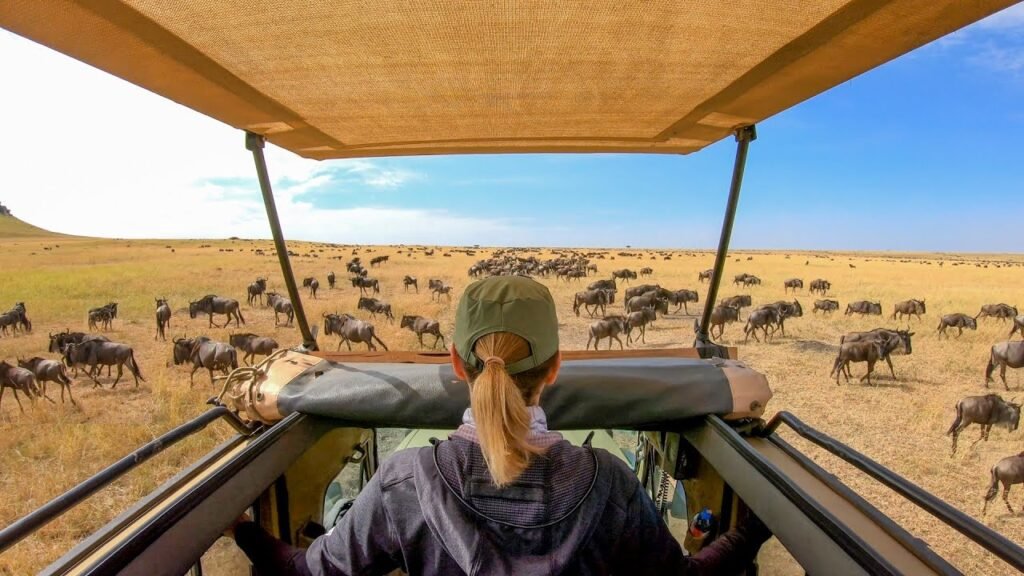
Gorilla Safari Planning Tips for Rwanda
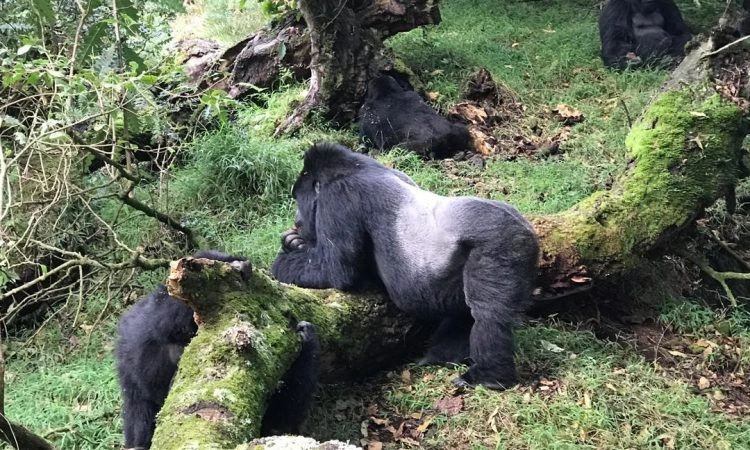
Gorilla Safari Planning Tips for Rwanda
Few wildlife experiences in the world compare to coming face-to-face with a family of mountain gorillas in their natural habitat. Hidden within the mist-covered slopes of Rwanda’s Volcanoes National Park, these gentle giants offer travelers a rare opportunity to witness one of nature’s most remarkable conservation success stories. For many visitors, a gorilla safari in Rwanda becomes the highlight of their African adventure and a memory that lasts a lifetime.
However, a successful gorilla trekking experience requires proper planning. From securing permits and choosing the best time to visit to preparing physically for the trek, there are several important factors to consider before embarking on this incredible journey. At Frena Adventures, we have helped countless travelers organize unforgettable gorilla safaris, and this guide will help you prepare for every aspect of your Rwanda gorilla trekking experience.
Why Choose Rwanda for Gorilla Trekking?
Rwanda has established itself as one of Africa’s premier gorilla trekking destinations. The country’s commitment to conservation, excellent infrastructure, and easy accessibility make it an ideal choice for travelers seeking a seamless wildlife experience.
Volcanoes National Park, located in the northwestern part of Rwanda, is home to several habituated mountain gorilla families that can be visited by tourists. Unlike many wildlife encounters where animals may be viewed from a distance, gorilla trekking allows visitors to spend an entire hour observing these magnificent creatures up close in their natural environment.
The park’s proximity to Kigali International Airport is another significant advantage. Travelers can reach the park within a few hours of landing, making Rwanda one of the most accessible gorilla trekking destinations in Africa.
Choosing the Best Time to Visit Rwanda
One of the first decisions you’ll need to make is when to travel. Fortunately, gorilla trekking is available throughout the year, but each season offers a slightly different experience.
The dry seasons, which run from June to September and from December to February, are generally considered the most favorable times for trekking. During these months, the forest trails are less muddy and easier to navigate, making the hikes more comfortable. Clearer weather conditions also improve visibility for photography and wildlife viewing.
The rainy seasons, occurring from March to May and October to November, bring lush green landscapes and fewer visitors. Although the trails can be more challenging due to mud and slippery conditions, some travelers appreciate the quieter atmosphere and the vibrant scenery that accompanies the rains. Additionally, gorilla families may remain closer to lower elevations where food is more abundant, potentially resulting in shorter trekking distances.
Securing Your Gorilla Trekking Permit
Obtaining a gorilla permit is arguably the most important step in planning your safari. Rwanda strictly limits the number of visitors allowed to see gorillas each day to ensure the animals remain protected and undisturbed.
Because permits are limited and demand remains consistently high, especially during peak travel seasons, it is highly recommended to secure your permit several months in advance. Waiting until the last minute can result in disappointment, particularly if you plan to travel during the dry months.
Your permit grants access to Volcanoes National Park, includes the services of experienced park rangers and guides, and allows one unforgettable hour in the presence of a gorilla family. Working with an experienced tour operator like Frena Adventures ensures that all permit arrangements are handled efficiently, allowing you to focus on preparing for your adventure.
Arriving Through Kigali
Most travelers begin their Rwanda gorilla safari in Kigali, the nation’s vibrant capital city. Kigali is often praised as one of Africa’s cleanest, safest, and most organized cities, making it an excellent introduction to the country.
Many visitors choose to spend their first night in Kigali to recover from international flights before heading to Volcanoes National Park. During this time, you can explore local attractions such as the Kigali Genocide Memorial, bustling craft markets, and modern restaurants that showcase Rwanda’s growing culinary scene.
The drive from Kigali to Volcanoes National Park typically takes between two and three hours, passing through picturesque countryside dotted with rolling hills and terraced farms. This scenic journey provides a wonderful first glimpse of Rwanda’s famous “Land of a Thousand Hills.”
Selecting the Right Accommodation
Accommodation can significantly influence your overall gorilla safari experience. Fortunately, the area surrounding Volcanoes National Park offers options for every budget and travel style.
Luxury travelers can enjoy world-class lodges featuring breathtaking mountain views, fine dining, and exceptional service. Mid-range lodges provide comfortable accommodations with excellent amenities, while budget-friendly guesthouses offer affordable alternatives without sacrificing convenience.
When selecting your accommodation, consider its proximity to the park headquarters, as gorilla trekking briefings begin early in the morning. Staying nearby reduces travel time and allows for a more relaxed start to your trekking day.
Physical Preparation for Gorilla Trekking
Many travelers wonder how physically demanding gorilla trekking can be. While the experience is accessible to people of various fitness levels, it does require a reasonable degree of physical preparedness.
Treks may involve walking through dense vegetation, climbing steep slopes, crossing uneven terrain, and navigating muddy forest trails. Depending on the location of the gorilla family assigned to your group, trekking durations can vary significantly.
Several weeks before your trip, consider incorporating regular walks, hikes, or cardiovascular exercise into your routine. Building stamina and endurance will help ensure that you enjoy the trek rather than struggle through it.
The good news is that professional guides and rangers carefully assess visitors’ abilities and assign gorilla groups accordingly, helping create a manageable experience for everyone.
What to Pack for Your Gorilla Safari
Packing appropriately is essential for comfort and safety during your trek. The weather in the Virunga Mountains can change quickly, and the rainforest environment often presents unique challenges.
Sturdy waterproof hiking boots are perhaps the most important item you can bring. Proper footwear provides stability on muddy and uneven trails while helping to keep your feet dry throughout the trek.
Long trousers and long-sleeved shirts help protect against insects, thorny vegetation, and stinging nettles commonly found in the forest. A lightweight waterproof jacket is also highly recommended, as rain showers can occur unexpectedly.
Many experienced trekkers also carry gardening gloves, which can be useful when grabbing vegetation for support during steep climbs. A reusable water bottle, snacks, sunscreen, insect repellent, and a small backpack complete the essential packing list.
Why Hiring a Porter Is Worth It
Upon arriving at the park headquarters, you will have the opportunity to hire a local porter. While some travelers initially hesitate, hiring a porter is one of the best decisions you can make.
Porters assist by carrying backpacks, offering support on difficult terrain, and helping trekkers navigate steep or slippery sections of the trail. Their assistance can significantly reduce physical strain, allowing you to focus on enjoying the experience.
Beyond the practical benefits, hiring a porter directly supports local communities. Many porters are former poachers who now earn sustainable livelihoods through tourism, contributing to both conservation and community development.
Understanding Gorilla Trekking Etiquette
Protecting mountain gorillas remains a top priority for Rwanda’s conservation authorities. As such, all visitors must follow strict guidelines designed to minimize disturbance and reduce the risk of disease transmission.
Before your trek begins, park rangers will conduct a detailed briefing covering all essential rules. Visitors are expected to maintain a respectful distance from the gorillas, avoid sudden movements, and keep noise levels to a minimum.
Flash photography is strictly prohibited, and anyone feeling unwell may be denied participation to prevent the spread of illnesses that could threaten the gorillas.
These regulations are crucial for ensuring that future generations can continue to enjoy encounters with these extraordinary animals.
Managing Expectations During the Trek
One of the most important aspects of planning a gorilla safari is understanding that every trek is unique. Gorillas are wild animals that move freely throughout the forest, meaning trekking times can vary considerably.
Some visitors locate their assigned gorilla family within an hour, while others may spend several hours hiking before reaching them. The unpredictability is part of what makes the experience authentic and rewarding.
Approaching the trek with patience, flexibility, and a sense of adventure will help ensure you appreciate every moment of the journey.
Beyond Gorilla Trekking: Exploring Rwanda
While gorilla trekking may be the main attraction, Rwanda offers many additional experiences that can transform your visit into a more comprehensive safari adventure.
Nature enthusiasts can explore Nyungwe Forest National Park, home to chimpanzees and one of Africa’s most spectacular canopy walkways. Lake Kivu provides opportunities for relaxation along its scenic shores, while cultural tours offer insight into Rwanda’s rich traditions and history.
Kigali itself deserves exploration, combining modern development with fascinating historical and cultural attractions.
Supporting Conservation Through Tourism
Every gorilla trekking permit contributes directly to conservation efforts and community development projects. Revenue generated from tourism helps fund anti-poaching initiatives, habitat protection, veterinary care, and education programs in communities surrounding the park.
By choosing a responsible gorilla safari, you are not only creating unforgettable memories but also playing a role in protecting one of the world’s most endangered species.
Why Book Your Rwanda Gorilla Safari with Frena Adventures?
At Frena Adventures, we understand that a gorilla safari is often a once-in-a-lifetime experience. Our team is committed to creating personalized journeys that combine exceptional service, local expertise, and seamless logistics.
We assist with permit reservations, accommodation bookings, transportation, and customized itineraries that can include additional destinations across Rwanda and East Africa. Our goal is to ensure every aspect of your safari exceeds expectations while supporting sustainable tourism practices.
Whether you’re planning a short gorilla trekking adventure or a comprehensive East African safari, Frena Adventures is ready to help make your dream journey a reality.
Frequently Asked Questions
How difficult is gorilla trekking in Rwanda?
Most travelers with moderate fitness levels can successfully complete a gorilla trek. Trek difficulty varies depending on the location of the gorilla family assigned to your group.
How long do I spend with the gorillas?
Visitors are allowed one hour with the gorillas once they are located.
What is the minimum age for gorilla trekking?
The minimum age requirement for gorilla trekking in Rwanda is 15 years.
Can I take photographs during the trek?
Yes, photography is allowed, but flash photography is strictly prohibited.
How far is Volcanoes National Park from Kigali?
The park is approximately a 2.5 to 3-hour drive from Kigali.
Is Rwanda safe for tourists?
Yes. Rwanda is widely regarded as one of Africa’s safest and most visitor-friendly destinations.