Gishwati–Mukura National Park
Things To Do in Gishwati–Mukura National Park
Chimpanzee Tracking
Observe habituated chimpanzees in a serene montane rainforest setting.
Forest Walks
Explore lush trails, ancient trees, and rich biodiversity on guided walks.
Monkey Watching
Spot colobus monkeys, blue monkeys, and other primate species.
Bird Watching
Discover rare Albertine Rift bird species and diverse forest avifauna.
Hiking & Trekking
Hike scenic hills and valleys while enjoying the park’s serene landscapes.
Botanical Tours
Learn about medicinal plants and forest flora unique to Gishwati–Mukura.
Photography
Capture pristine rainforest scenery, waterfalls, and wildlife.
Cultural Experiences
Engage with local communities and learn about conservation initiatives.
Waterfall Trails
Hike to secluded waterfalls hidden within the montane forest.
Guided Nature Walks
Follow expert guides to discover wildlife, plants, and forest ecology.
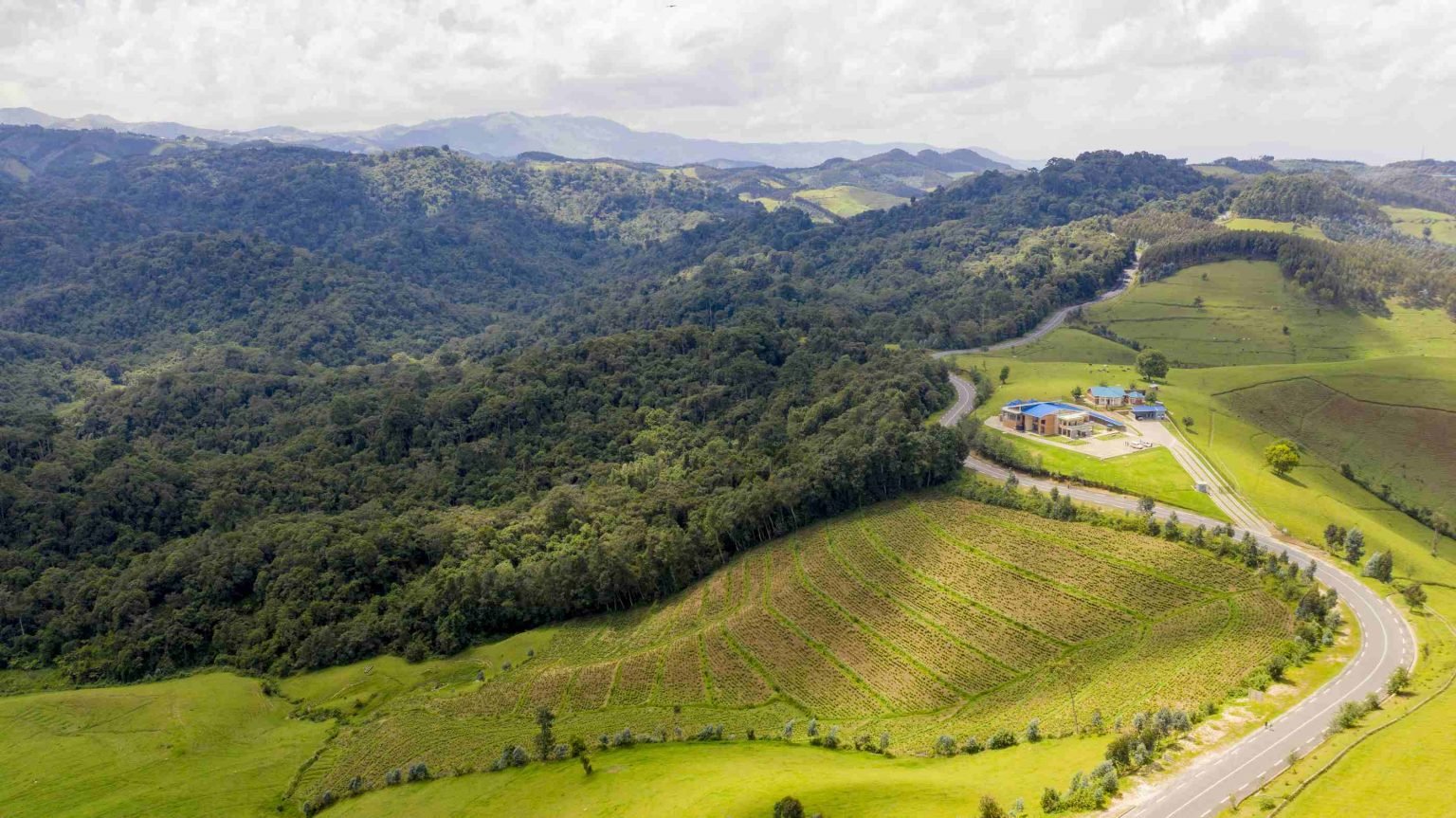
Gishwati–Mukura National Park is Rwanda’s newest and rapidly emerging protected area, offering a unique rainforest experience in a quiet and less-touristed setting. Located in the western part of the country, this park is known for its dense montane forests, rich biodiversity, and ongoing conservation success stories. Though smaller and less famous than Volcanoes or Nyungwe, Gishwati–Mukura provides intimate wildlife encounters, stunning landscapes, and opportunities to connect with Rwanda’s forest ecosystems in a more personal and tranquil way. It pairs beautifully with a broader Rwanda safari holiday or an extended Uganda and Rwanda primate safari.
Location and General Overview
Gishwati–Mukura National Park is situated in western Rwanda, spanning parts of Nyamasheke and Rutsiro Districts. The park covers approximately 31 square kilometers, making it one of the smaller national parks in the country. It is located roughly 4–5 hours’ drive from Kigali, offering accessibility for travelers who want to explore Rwanda’s western forests along with other destinations such as Lake Kivu or Nyungwe Forest.
The park combines two previously separate forest reserves, Gishwati Forest and Mukura Forest, to form a contiguous protected area aimed at conserving biodiversity and restoring degraded forest lands.
Forests and Landscapes
Gishwati–Mukura is dominated by montane rainforest, bamboo zones, and patches of grasslands. The forest sits at elevations between 1,600 and 2,400 meters, with steep hills and valleys creating a dramatic and scenic terrain.
The park’s rivers and streams contribute to its lush vegetation and play a critical role in Rwanda’s water systems. Its compact size allows visitors to experience a variety of habitats on short treks, from dense forest undergrowth to misty bamboo zones and open glades.
Primates and Wildlife
Despite its small size, Gishwati–Mukura National Park is home to a remarkable variety of primates, making it a must-visit for wildlife enthusiasts. Chimpanzees have been recently reintroduced into the park and can be tracked under supervised programs, offering the chance to witness their social behavior in a recovering forest ecosystem — a complementary experience to chimpanzee tracking in Uganda’s Kibale Forest.
Other primates include:
- L’Hoest’s monkeys
- Blue monkeys
- Black-and-white colobus monkeys
The park also supports populations of forest duikers, bushbucks, and numerous small mammals.
Birdlife
Gishwati–Mukura is a haven for birdwatchers, hosting over 150 recorded bird species, including several Albertine Rift endemics. For serious birding enthusiasts, combining Gishwati–Mukura with Uganda’s Kibale Forest and Murchison Falls National Park creates one of East Africa’s finest avian circuits.
Notable birds include:
- Great blue turaco
- Red-faced woodland warbler
- Dusky crimsonwing
- Black-billed turaco
The forest’s intact canopy and understory provide critical habitat for both resident and migratory bird species, making it a rewarding destination for bird enthusiasts.
Hiking and Nature Walks
Gishwati–Mukura National Park offers several short and moderate trekking trails, ideal for visitors seeking close encounters with the forest. Guided walks allow travelers to explore dense forest, observe wildlife, and learn about conservation efforts. These walks complement the broader primate safari experiences available across Uganda and Rwanda beautifully.
The trails are suitable for both casual nature lovers and more serious hikers. Visitors can trek through bamboo zones, along streams, and up to viewpoints overlooking the park’s scenic valleys and surrounding landscapes.
Climate and Best Time to Visit
The park experiences a cool, wet climate, typical of montane forests. Temperatures generally range from 12°C to 20°C, with frequent mist and rainfall throughout the year.
Best time to visit:
- Dry seasons: June–September and December–February – ideal for trekking and wildlife viewing
- Wet seasons: March–May and October–November – forest is lush, trails may be slippery, birdlife is abundant
Why Visit Gishwati–Mukura National Park?
Gishwati–Mukura National Park offers an intimate and authentic rainforest experience in Rwanda. From chimpanzee tracking and birdwatching to peaceful forest walks and scenic viewpoints, the park allows visitors to connect with nature in a tranquil, less-crowded setting. Whether visited as a standalone destination or combined with Volcanoes National Park for golden monkey tracking and gorilla trekking, Gishwati–Mukura adds genuine depth and diversity to any East Africa safari holiday. Contact our team today to include Gishwati–Mukura in your next Rwanda safari itinerary.